Understanding Hardness Analyzers: A Comprehensive Guide
In the realm of materials science and quality control, hardness analyzers are indispensable tools. These instruments precisely measure a material's resistance to localized plastic deformation, offering crucial insights into its durability, wear resistance, and overall quality. This article will delve into the principles of operation, various types of hardness analyzers, their applications across industries, and key considerations when selecting the right instrument. Accurate hardness testing is critical for ensuring product reliability and meeting industry standards.
What is a Hardness Analyzer and Why is it Important?
A hardness analyzer is a device used to determine the hardness of a material. Hardness, in this context, isn't simply about being 'hard' in the everyday sense. It’s a material's ability to resist indentation or scratching. This property is vital for numerous reasons. It directly correlates to a material's wear resistance, making it crucial in the selection of materials for components subjected to friction or abrasion. Hardness testing also provides a quick and non-destructive method for assessing material quality and verifying manufacturing processes. Industries rely on hardness testing to ensure products meet specified performance criteria.
Key Benefits: Quick assessment of material quality, correlation to wear resistance, non-destructive testing method, and vital for quality control.
Types of Hardness Analyzers: A Detailed Comparison
Several types of hardness analyzers are available, each employing a different indentation method. The most common include Rockwell, Vickers, Brinell, and Knoop. The choice of method depends on the material being tested, its hardness range, and the desired accuracy. Rockwell testing is widely used for its speed and versatility. Vickers testing offers high accuracy and is suitable for a wide range of materials. Brinell testing is ideal for larger indentations and softer materials. Knoop testing is often used for brittle materials and coatings.
Hardness Testing Methods:
• Rockwell: Fast, versatile, widely used.
• Vickers: High accuracy, wide range of materials.
• Brinell: Large indentations, softer materials.
• Knoop: Brittle materials, coatings.
Rockwell Hardness Analyzers: Features and Applications
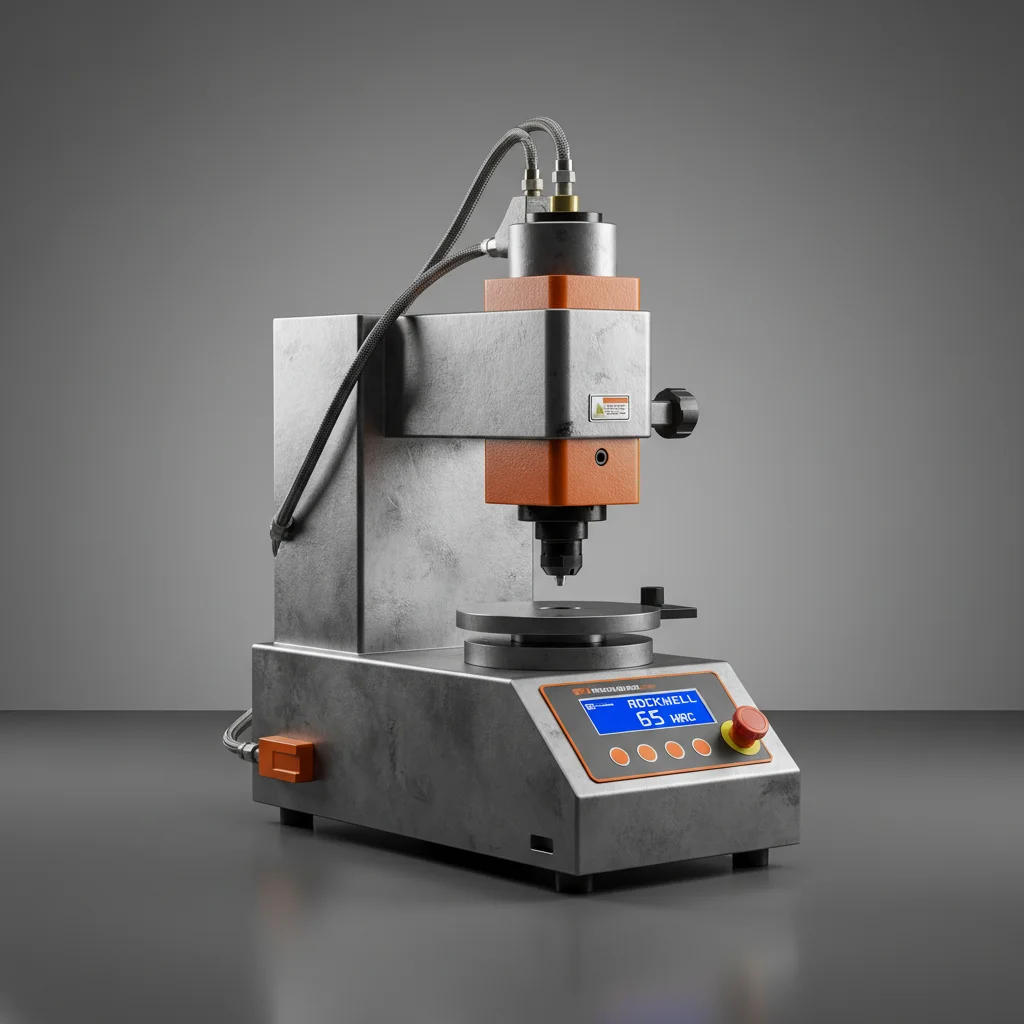
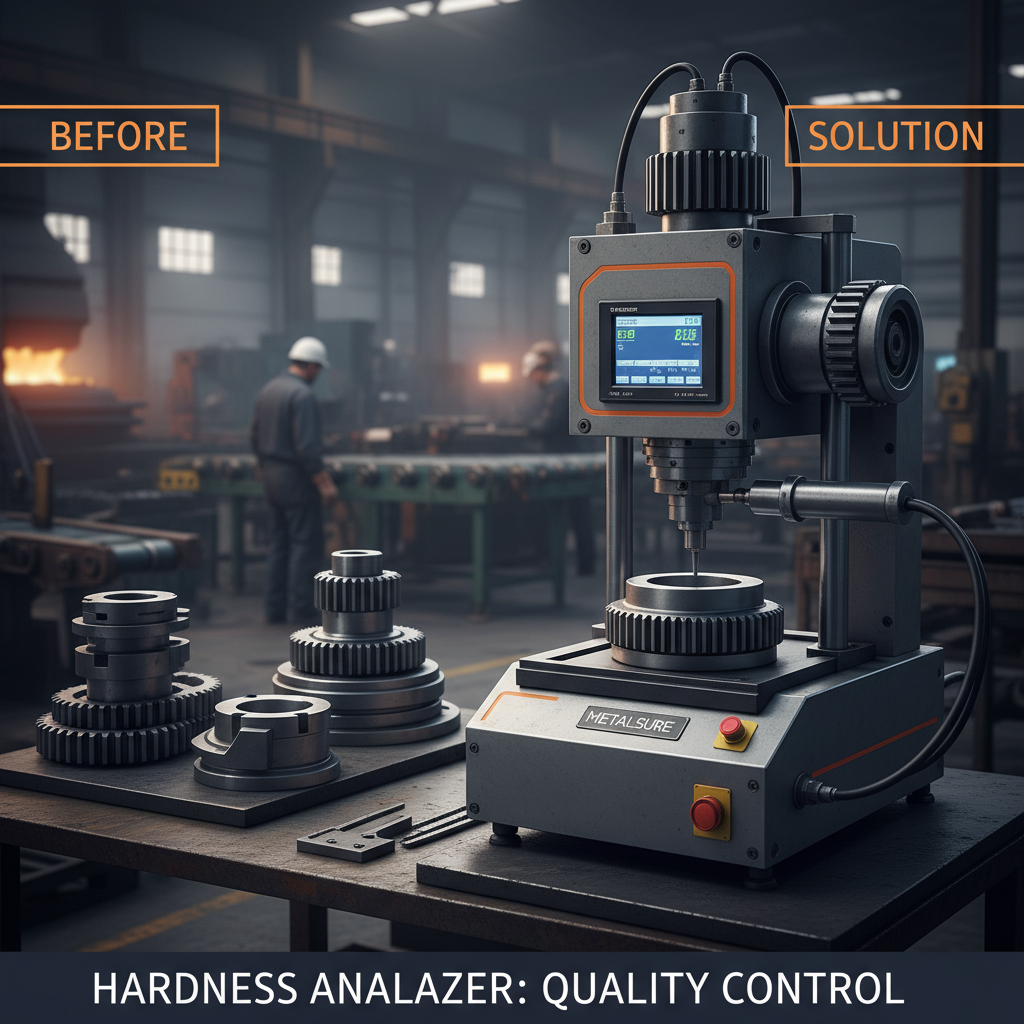
Rockwell hardness analyzers are among the most popular due to their speed and ease of use. They utilize a diamond cone or a steel ball indenter and measure the depth of penetration under a specific load. Different scales (e.g., Rockwell C, Rockwell B) are used depending on the material and its expected hardness. These analyzers are widely used in the automotive, aerospace, and manufacturing industries for quality control and material verification. They are excellent for testing metals, plastics, and some composite materials. Jensprima offers a range of Rockwell hardness testers to suit diverse needs.
| Feature |
Rockwell C |
Rockwell B |
| Indenter |
Diamond Cone |
1/16" Steel Ball |
| Major Load (kgf) |
150 |
100 |
| Typical Applications |
Hardened Steel |
Aluminum, Brass |
Industries Utilizing Hardness Analyzers
The applications of hardness testing are incredibly diverse. The automotive industry uses it to verify the hardness of engine components and body panels. Aerospace relies on it for testing alloys used in aircraft structures. In the manufacturing sector, hardness testing ensures the quality of tools, dies, and molds. The heat treatment industry uses hardness measurements to confirm the effectiveness of its processes. Even the plastics industry uses hardness analyzers to assess the performance characteristics of polymers.
Selecting the Right Hardness Analyzer: Key Considerations
Choosing the right hardness analyzer requires careful consideration. Factors to assess include the type of material being tested, the hardness range, the required accuracy, and the testing environment. Consider whether you need a portable or benchtop model. Automated models offer increased efficiency and data logging capabilities. Jensprima provides expert guidance to help you select the optimal solution for your specific needs.
Conclusion: Investing in Accurate Hardness Testing
Investing in a reliable hardness analyzer is a crucial step towards ensuring product quality, enhancing manufacturing efficiency, and upholding safety standards. By understanding the different types of analyzers and their applications, you can make an informed decision that aligns with your specific requirements. Jensprima is your trusted partner in delivering high-precision testing solutions.
Frequently Asked Questions (FAQs)
What is the difference between hardness and tensile strength?
While both hardness and tensile strength are material properties, they measure different aspects of a material’s behavior. Hardness measures resistance to localized deformation, such as indentation or scratching. Tensile strength, on the other hand, measures a material's resistance to being pulled apart. A material with high tensile strength isn't necessarily hard, and vice-versa. However, there's often a correlation – a harder material tends to have higher tensile strength, but this isn't always the case. They are both important parameters for material selection, but they provide different types of information about a material’s overall performance.
How often should a hardness analyzer be calibrated?
Regular calibration is essential for maintaining the accuracy of a hardness analyzer. The recommended calibration frequency depends on the usage intensity and the criticality of the measurements. As a general guideline, annual calibration is recommended. However, if the analyzer is used frequently or in a demanding environment, more frequent calibration may be necessary. Jensprima offers comprehensive calibration services to ensure the accuracy and reliability of your testing equipment.
Can hardness testing be used on coatings?
Yes, hardness testing can be used to evaluate the hardness of coatings. However, special techniques and indenters are often required to avoid damaging the underlying substrate. Microhardness testing methods like Knoop or Vickers with low loads are commonly used for coatings. These methods allow for accurate measurement of the coating's hardness without significant influence from the substrate. It's important to select the appropriate indentation parameters and to ensure the coating is sufficiently thick to provide a meaningful measurement.




 Download
 Video Center
 Technical Services
 FAQS
FAQS Service Network
 Privacy Policy
 Contact Us




 LEARN MORE