Understanding Hardness Monitors: A Comprehensive Guide
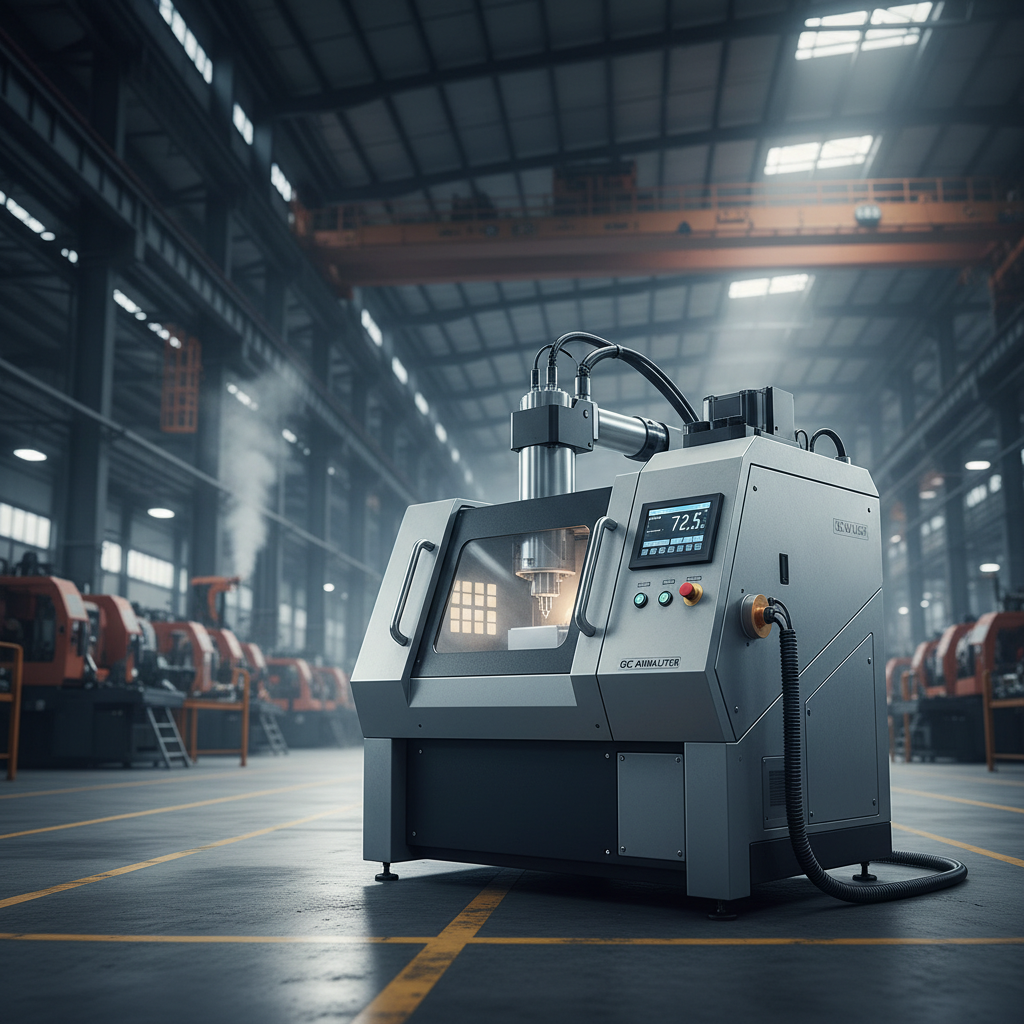
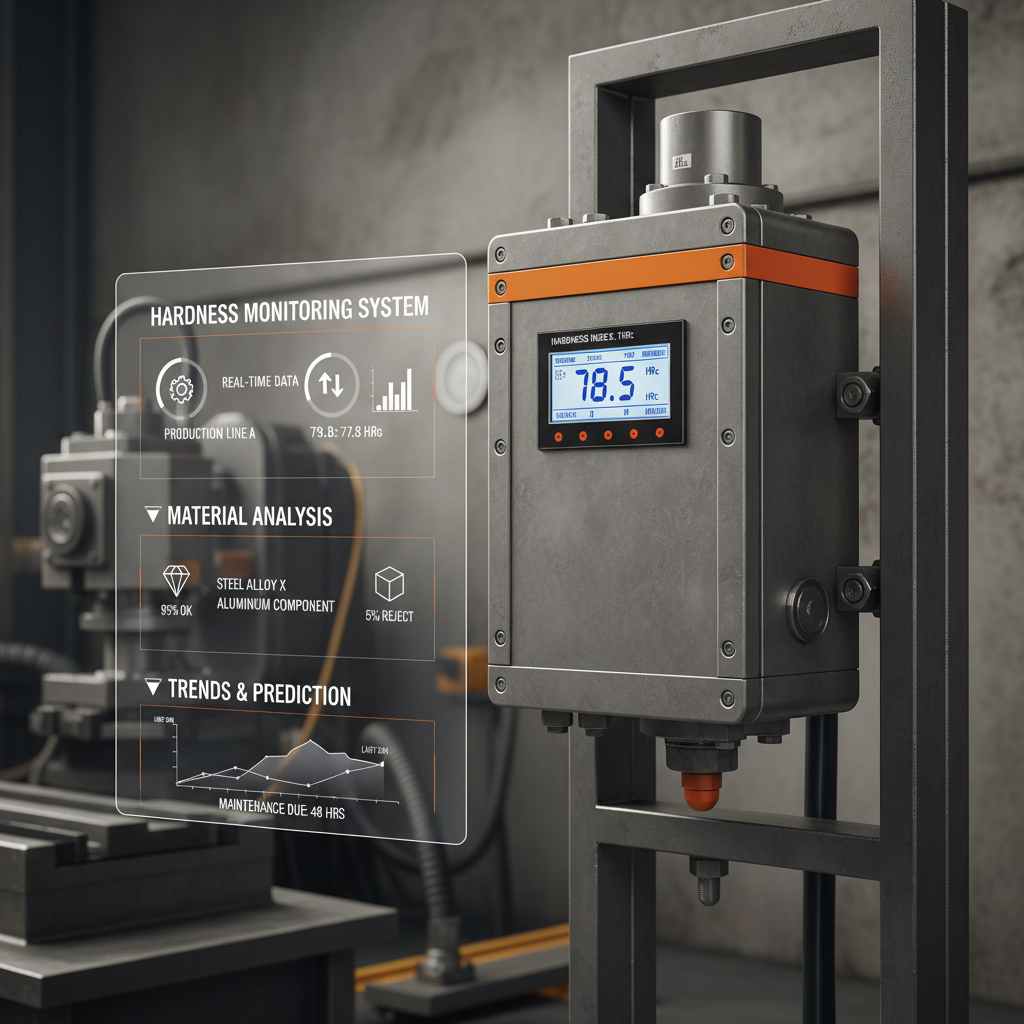
In the realm of materials science and quality control, accurately measuring the hardness of a material is paramount. Hardness monitors, also known as hardness testers, are essential instruments used to determine a material's resistance to localized plastic deformation. This article provides a detailed exploration of hardness monitors, their types, applications, and factors to consider when choosing the right instrument. Accurate hardness testing is vital across numerous industries, from metals and plastics to coatings and ceramics. We'll delve into how Jensprima's hardness monitors deliver precision and reliability.
What is a Hardness Monitor and Why is it Important?
A hardness monitor assesses a material’s ability to resist permanent shape change when a concentrated force is applied. This measurement is crucial for a wide array of applications, including quality control, material selection, and failure analysis. Hardness testing can indicate a material's wear resistance, machinability, and susceptibility to deformation. It's a non-destructive or minimally destructive technique that provides valuable insights into material properties without compromising the sample's integrity. The information gained from hardness testing influences critical decisions in manufacturing, engineering, and research.
Key Benefits of Hardness Testing: Provides insights into wear resistance, machinability, and deformation susceptibility. A non-destructive or minimally destructive technique. Vital for quality control and material selection.
Different Types of Hardness Monitors
Several types of hardness monitors exist, each employing a different indentation method and scale. The most common include:
- Rockwell Hardness Tester: Measures hardness based on the depth of indentation using various indenters and loads.
- Vickers Hardness Tester: Uses a diamond pyramid indenter and measures the area of the indentation.
- Brinell Hardness Tester: Employs a hardened steel or tungsten carbide ball as an indenter and measures the diameter of the indentation.
- Knoop Hardness Tester: Similar to Vickers, but uses an elongated pyramidal diamond indenter, suitable for brittle materials.
- Microhardness Tester: Used for testing the hardness of thin films, coatings, and small areas.
The choice of testing method depends on the material type, hardness range, and desired accuracy. Jensprima offers a comprehensive range of hardness monitors catering to diverse testing needs.
Hardness Scale Overview:
• Rockwell (A, B, C, etc.) – Common for metals.
• Vickers (HV) – Versatile, used for a wide range of materials.
• Brinell (HB) – Often used for larger grained materials.
• Knoop (HK) – Ideal for brittle materials and thin coatings.
Applications of Hardness Testing
Hardness testing finds applications in numerous industries:
- Metals Industry: Assessing the heat treatment effectiveness, verifying material composition, and evaluating wear resistance.
- Plastics Industry: Determining the impact resistance and durability of plastic components.
- Coatings Industry: Measuring the hardness and adhesion of coatings to substrates.
- Ceramics Industry: Evaluating the resistance to fracture and abrasion of ceramic materials.
- Aerospace Industry: Ensuring the quality and reliability of critical components.
In each of these industries, accurate and reliable hardness testing is crucial for maintaining product quality and ensuring safety. Jensprima’s hardness monitors contribute to improved quality control processes.
| Industry |
Typical Hardness Tests |
Application |
| Automotive |
Rockwell, Vickers |
Ensuring gear and component durability |
| Medical Devices |
Microhardness |
Testing coating hardness on implants |
| Electronics |
Vickers, Knoop |
Evaluating the hardness of thin films and components |
Factors to Consider When Choosing a Hardness Monitor
Selecting the appropriate hardness monitor involves careful consideration of several factors:
- Material Type: Different materials require different testing methods.
- Hardness Range: Ensure the monitor can accurately measure the hardness of your materials.
- Accuracy and Precision: Choose a monitor with the required level of accuracy and precision.
- Automation: Consider automated models for high-volume testing.
- Budget: Balance features and performance with your budgetary constraints.
Why Choose Jensprima Hardness Monitors?
Jensprima offers a wide range of high-quality hardness monitors designed to meet the diverse needs of various industries. Our monitors are known for their precision, reliability, and ease of use. We provide comprehensive support and service to ensure customer satisfaction. With Jensprima, you can be confident in the accuracy and consistency of your hardness testing results.
Conclusion: Investing in Accurate Hardness Testing
Investing in a reliable hardness monitor is crucial for maintaining product quality, ensuring safety, and optimizing material performance. Jensprima's commitment to precision and innovation makes us a trusted partner for businesses across diverse industries. Choose the right instrument and unlock the power of accurate hardness testing.
Frequently Asked Questions (FAQs)
What maintenance is required for a hardness monitor?
Regular maintenance is essential for ensuring the accuracy and longevity of your hardness monitor. This includes cleaning the indenter and testing surface, lubricating moving parts (if applicable), and performing regular calibration checks. Calibration should be performed by a qualified technician using traceable standards. Following the manufacturer’s recommendations for maintenance will help prevent errors and extend the lifespan of your instrument. Jensprima offers calibration services and maintenance support.
How do I choose the right indenter for my application?
The choice of indenter depends on the material being tested and the hardness range. Diamond indenters are used for harder materials, while hardened steel indenters are suitable for softer materials. The shape of the indenter (e.g., pyramid, ball, cone) also affects the results. Consult the material’s hardness scale requirements and the monitor’s specifications to determine the appropriate indenter. Jensprima's technical experts can assist you in selecting the optimal indenter.
What is the importance of proper sample preparation?
Proper sample preparation is crucial for accurate hardness testing. The sample surface should be clean, flat, and free of any contaminants, such as oil, dirt, or scale. Rough surfaces or uneven areas can lead to inaccurate readings. Polishing the sample surface may be necessary for some materials to ensure a consistent and reliable measurement. Always ensure the sample is representative of the material being tested.



 Download
 Video Center
 Technical Services
 FAQS
FAQS Service Network
 Privacy Policy
 Contact Us




 LEARN MORE