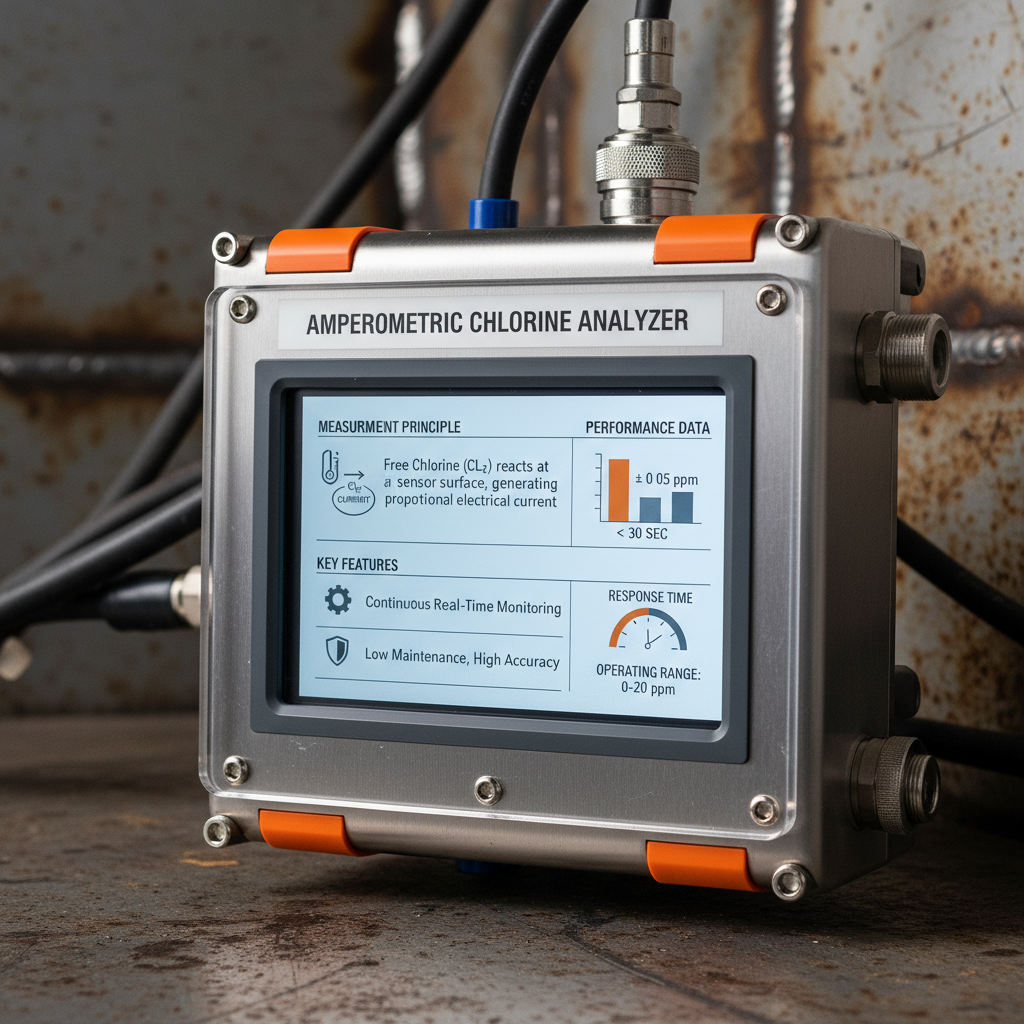
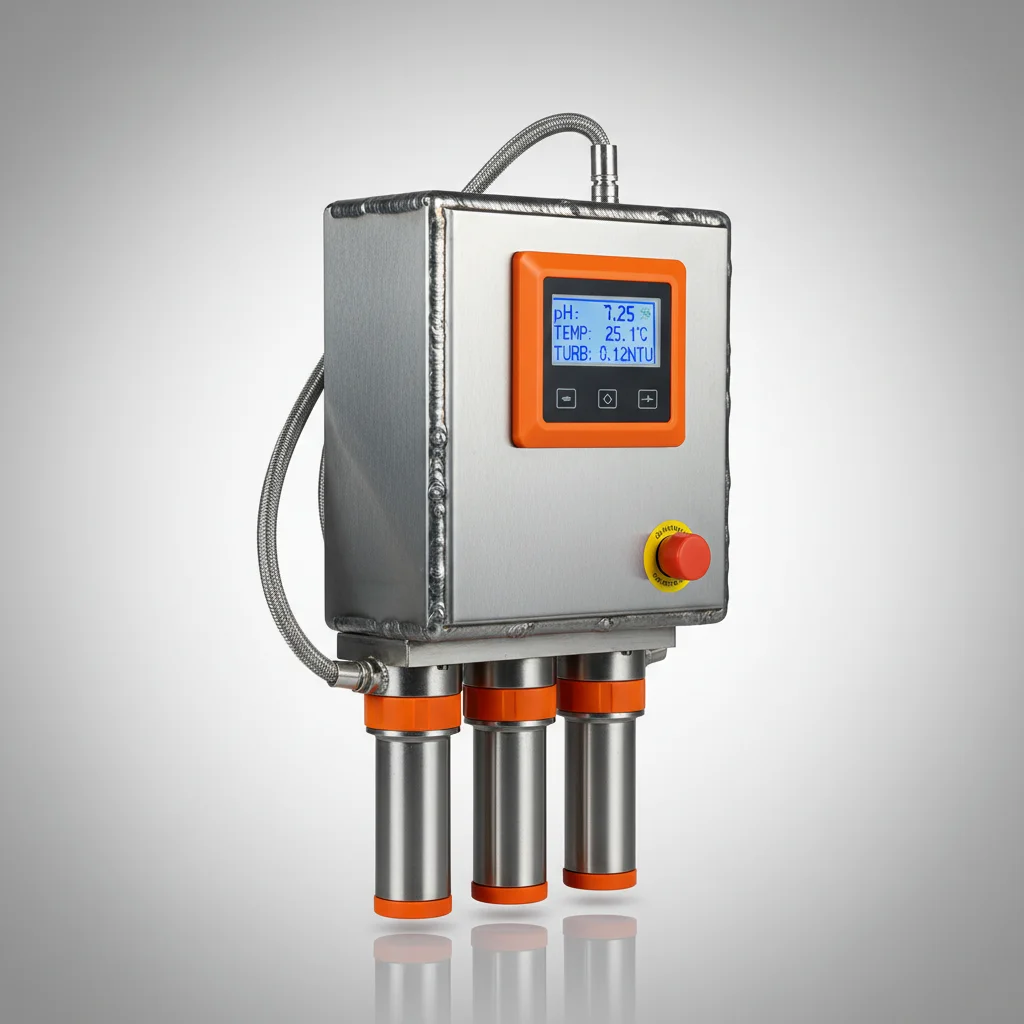
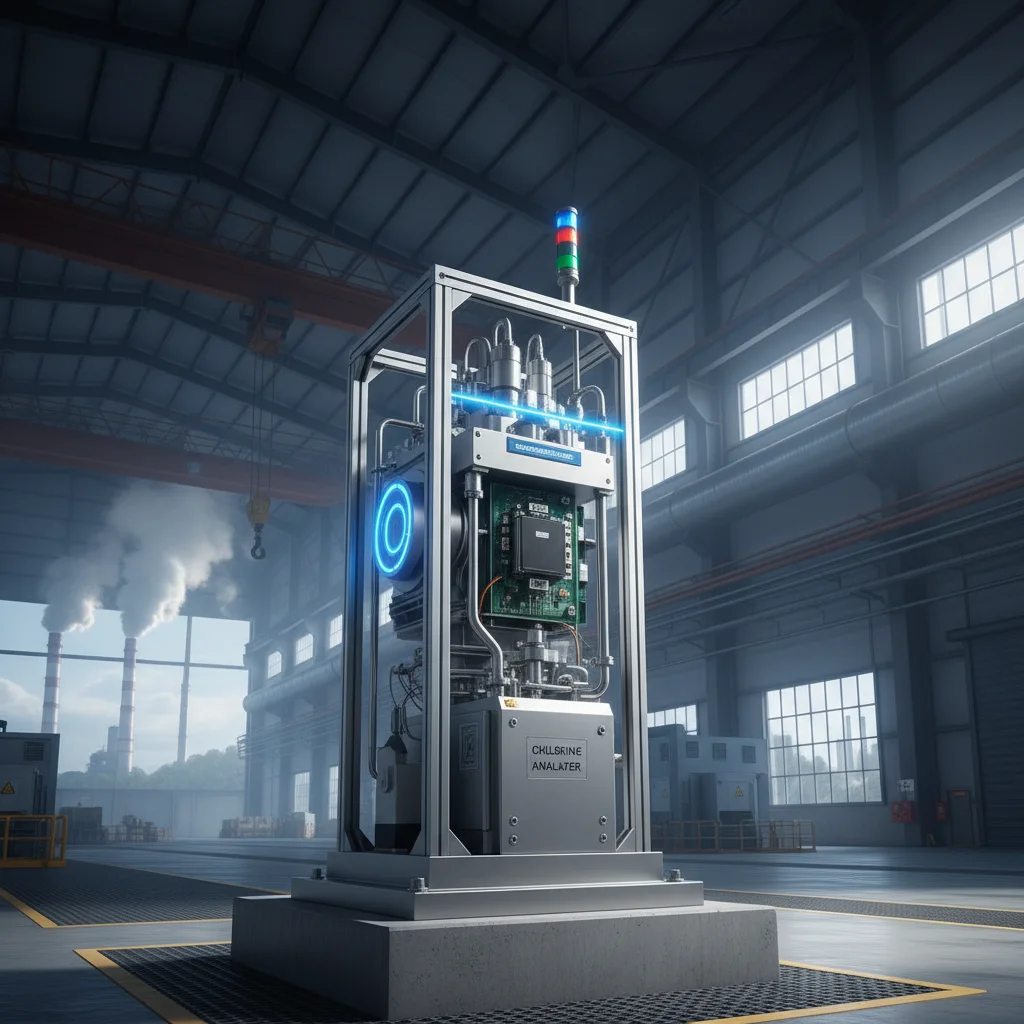
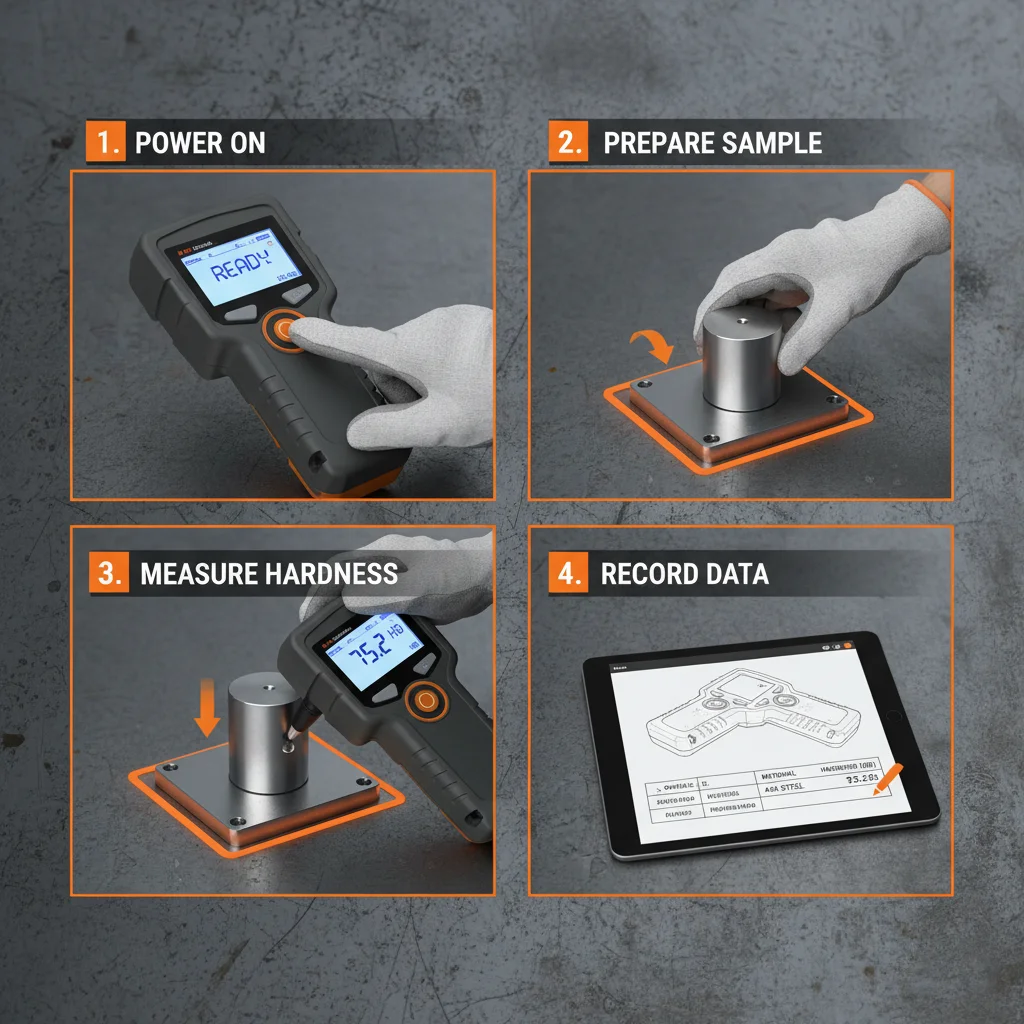
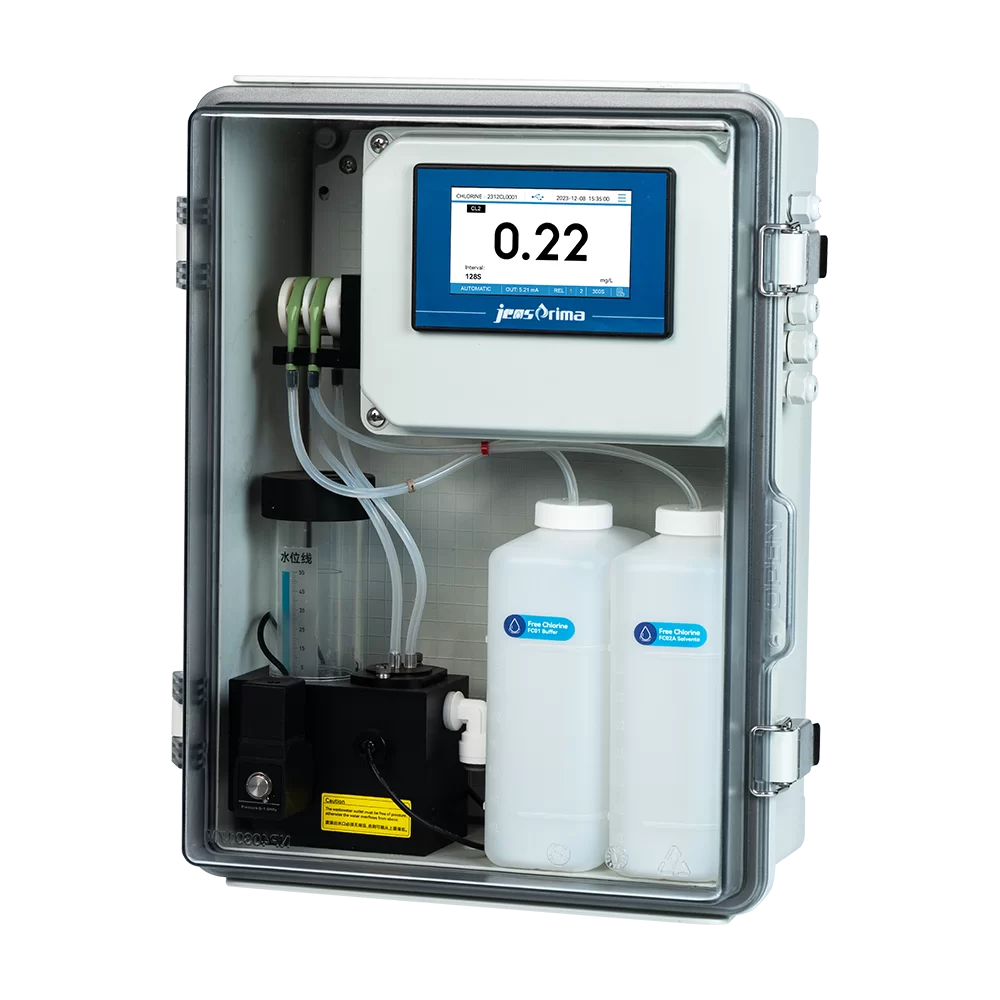
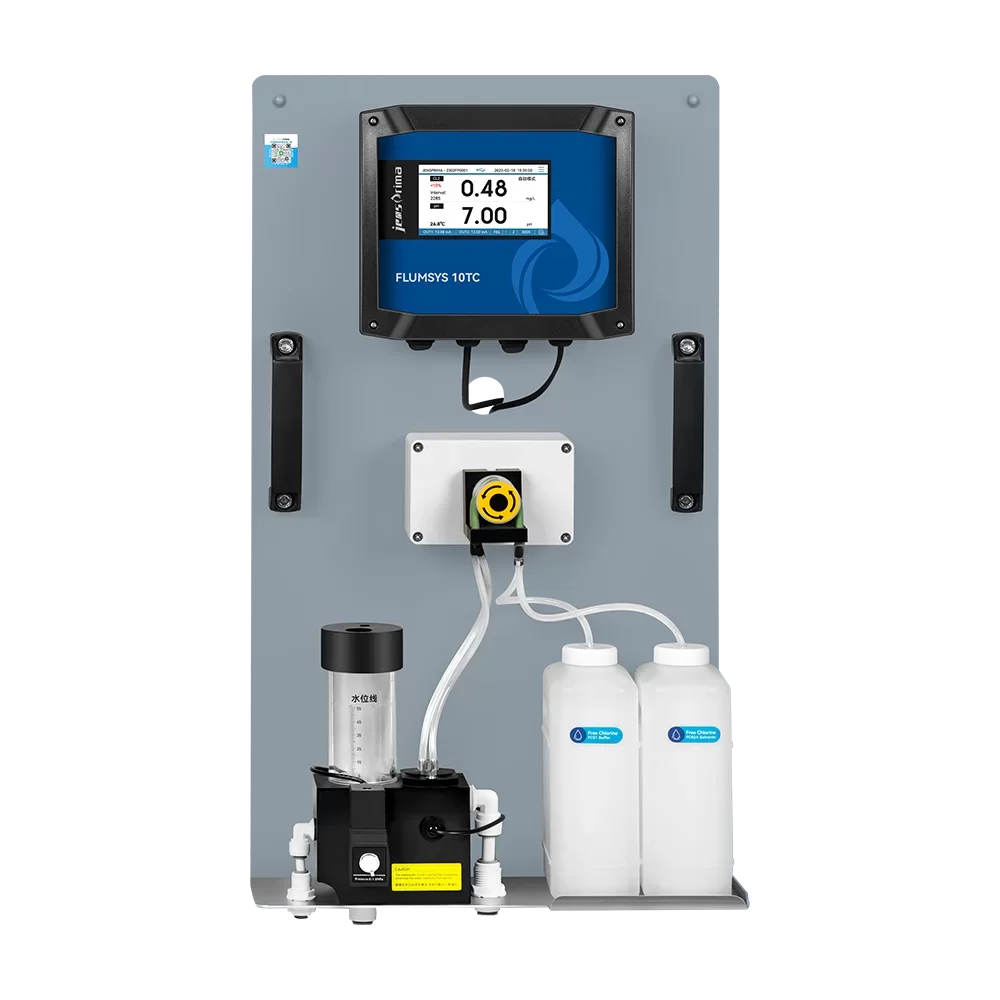
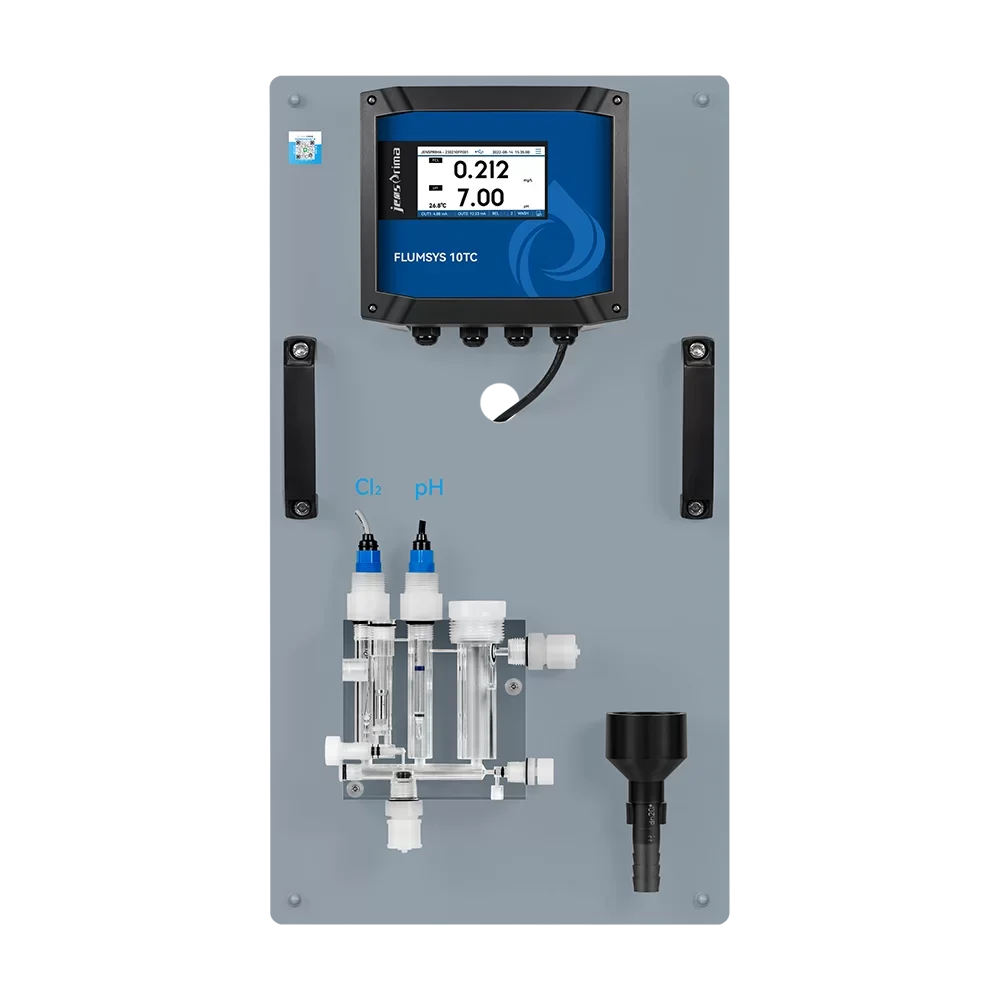
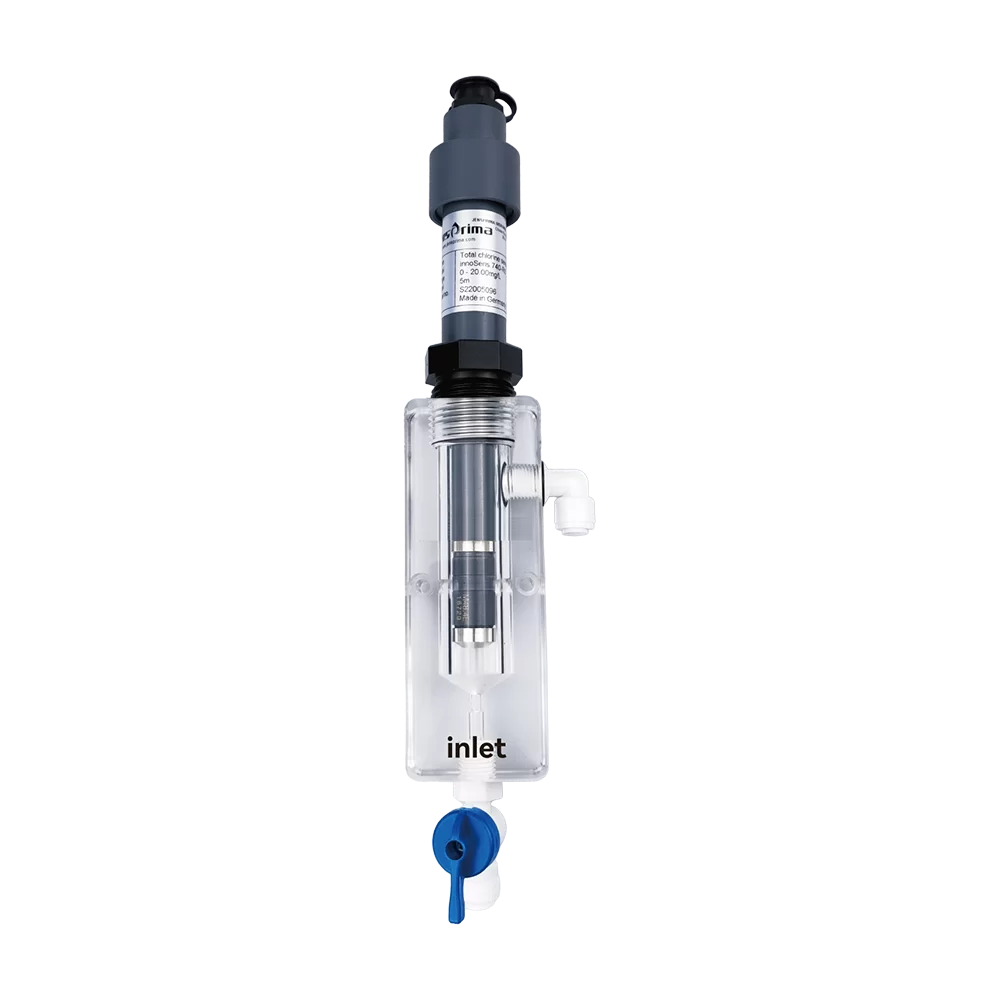
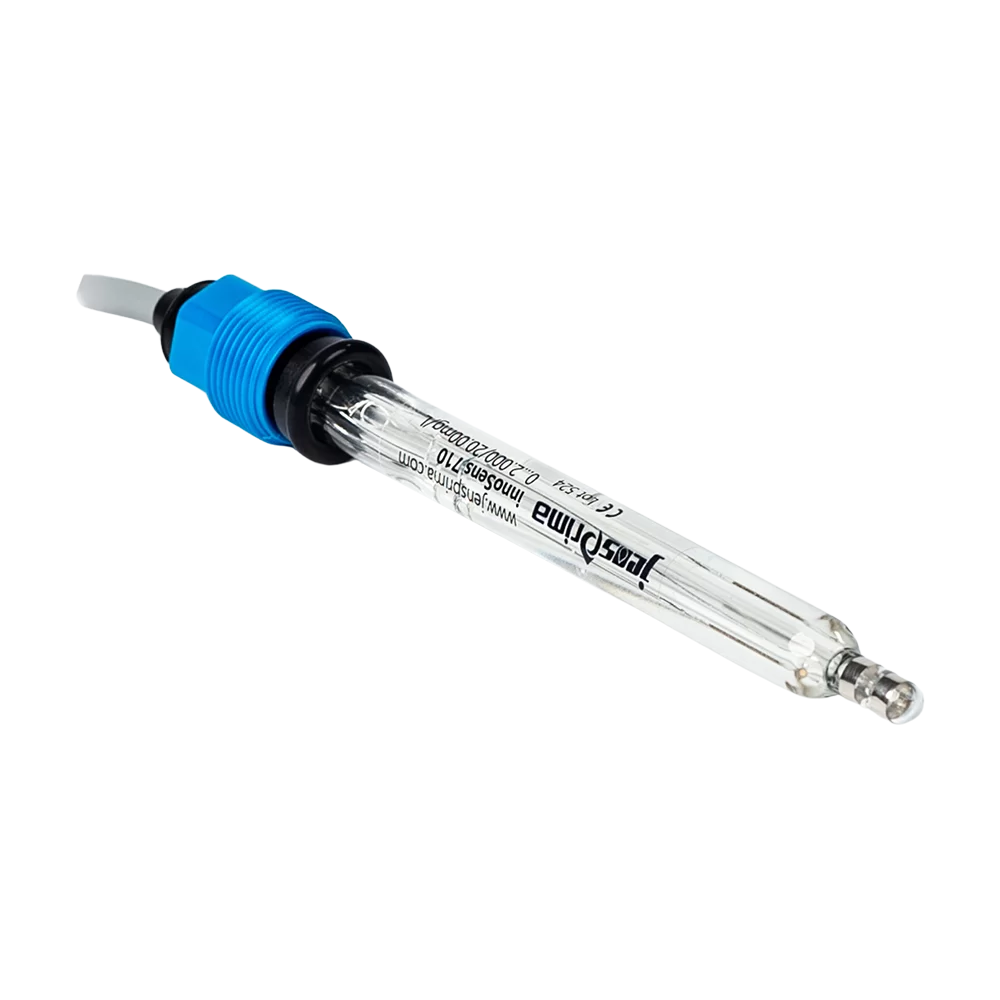
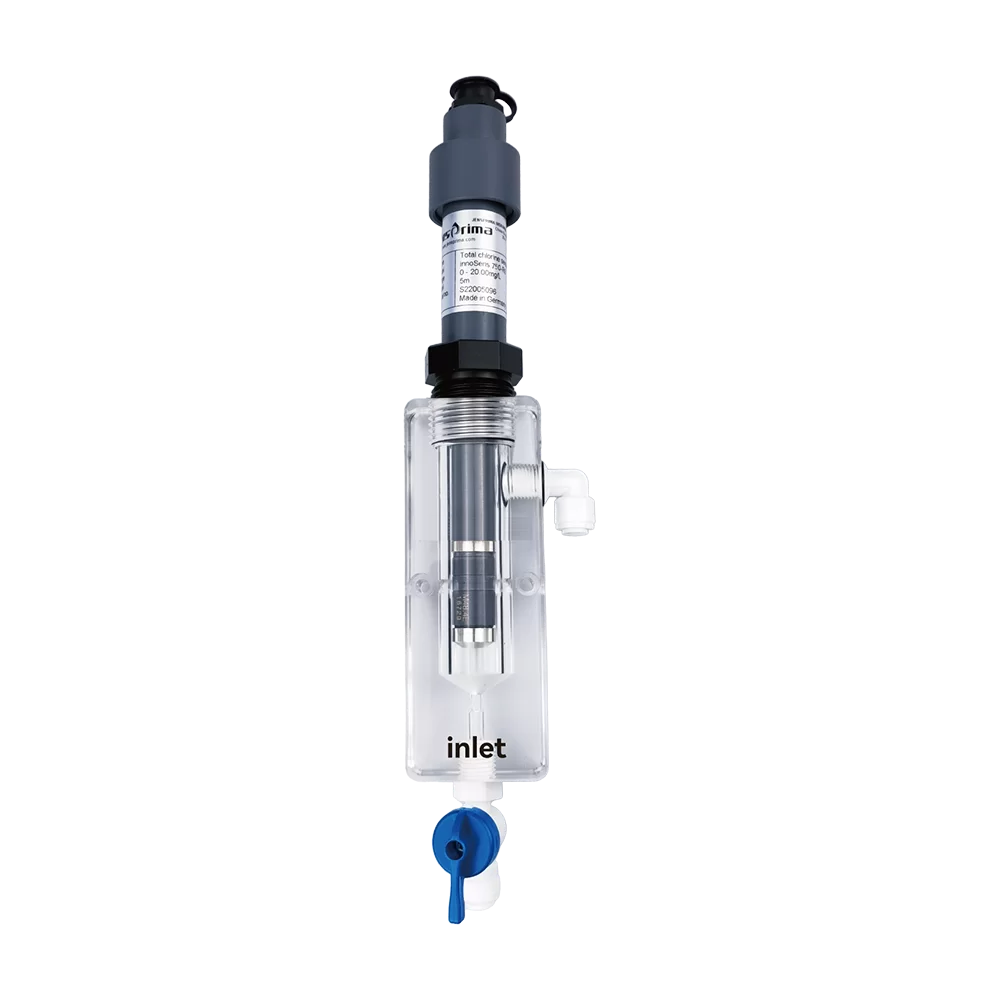
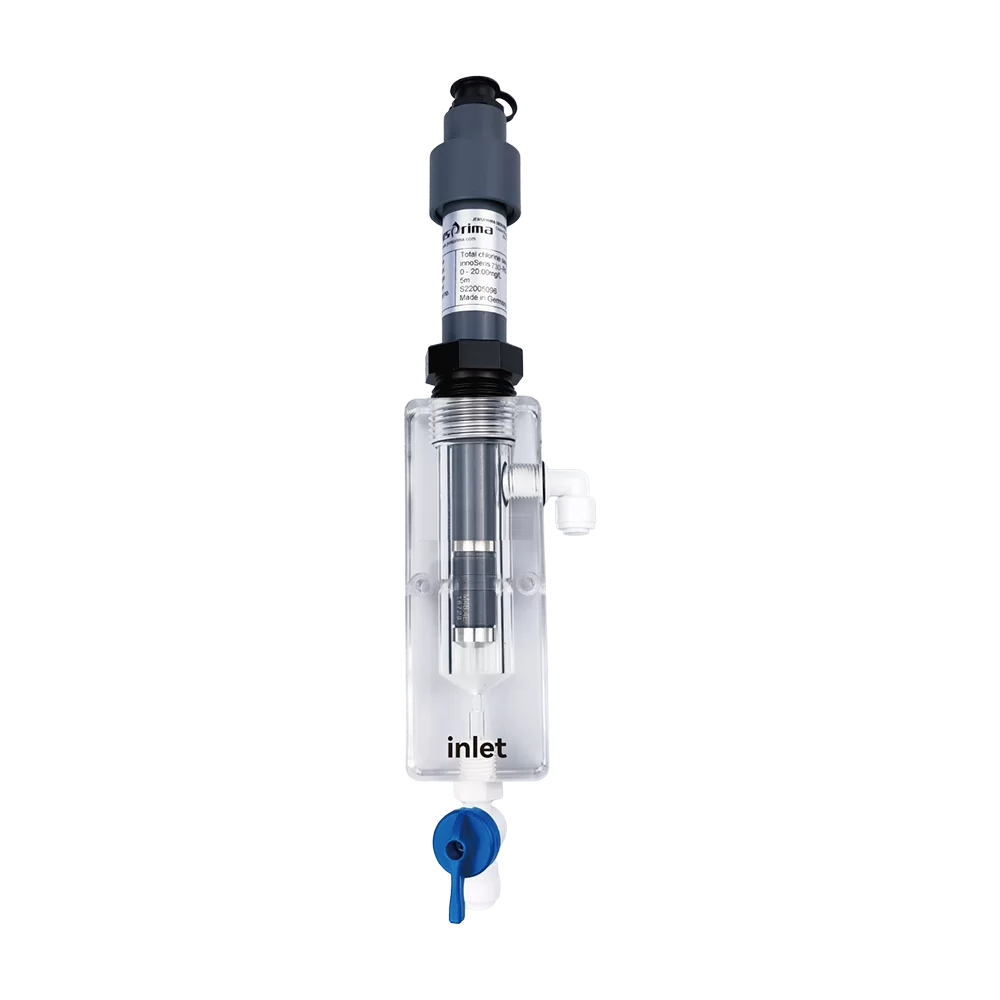
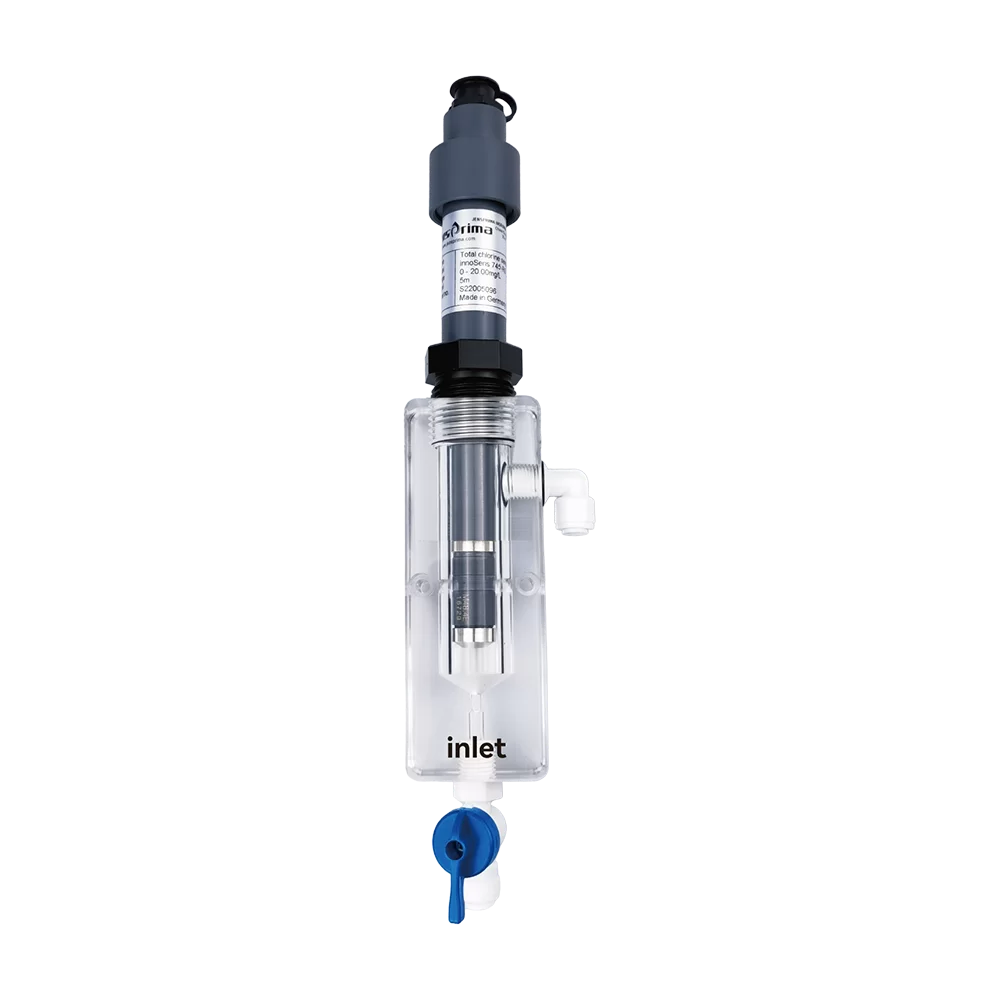
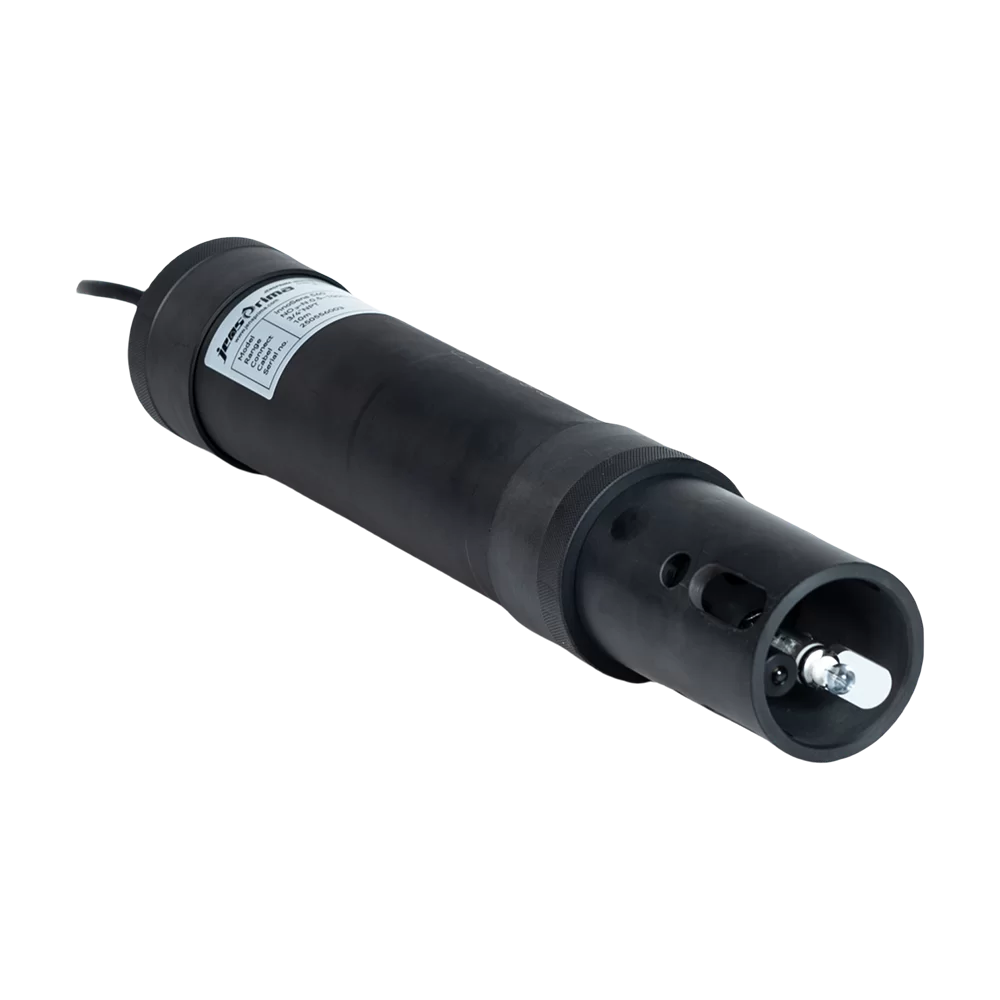
The world relies on safe, clean water, and ensuring that water quality is paramount. That’s where the amperometric chlorine analyzer comes in. It's not some lab-bound gadget; it's a workhorse, a frontline defense in water treatment, and frankly, a piece of kit I wouldn't want to be without on a site. For years, I’ve seen methods that are slow, cumbersome, or just plain unreliable. The amperometric chlorine analyzer offers a real-time, accurate reading of chlorine levels, which translates directly into peace of mind and efficient operation. It’s about protecting public health and optimizing treatment processes—and that’s something you can’t put a price on.
I’ve spent enough time crawling under tanks and wrestling with test kits to appreciate a system that simplifies things. This isn’t about fancy algorithms or complex data analysis; it’s about getting a dependable number quickly, so you can make informed decisions on the spot. Whether it’s a municipal water plant, a wastewater treatment facility, or even a large swimming pool, maintaining the correct chlorine residual is crucial. This analyzer helps us do just that. We used to rely on colorimetric tests which are so subjective and error-prone, but amperometric analysis gives us confidence in our data.
And it's not just about accuracy. The durability and reliability of this equipment are key. I’ve seen too many instruments fail in harsh environments, requiring costly repairs and downtime. A good amperometric chlorine analyzer is built to withstand the rigors of daily use, providing consistent performance even in demanding conditions. It's about choosing tools that are built to last, that won't let you down when you need them most. You can find a reliable amperometric chlorine analyzer to protect your water system.
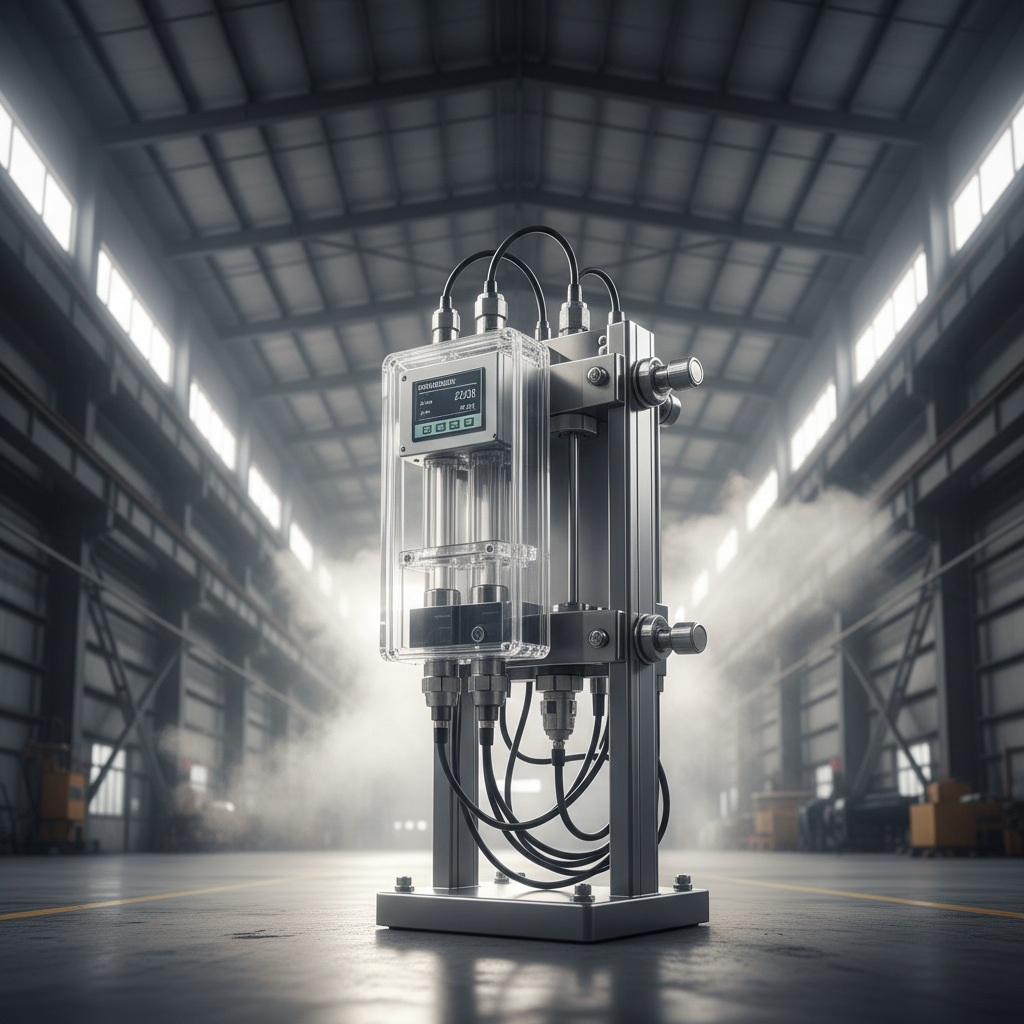
The Importance of Amperometric Chlorine Analyzers
From a practical standpoint, understanding the need for precise chlorine monitoring is critical. Globally, access to safe drinking water is a major challenge. According to the UN, billions of people lack access to safely managed drinking water services. Chlorination remains one of the most effective and affordable methods for disinfecting water, preventing the spread of waterborne diseases. However, too little chlorine leaves water vulnerable to pathogens, while too much can create harmful disinfection byproducts. An amperometric chlorine analyzer is the key to maintaining that delicate balance.
I’ve seen firsthand the impact of inadequate water treatment. Outbreaks can shut down communities, disrupt economies, and cause immense suffering. Maintaining the right chlorine levels isn't just about meeting regulatory standards; it’s about protecting lives. This is where reliable, continuous monitoring becomes essential. We need tools that can give us real-time data, allowing us to respond quickly to changes in water quality and prevent potential health crises.
Defining Amperometric Chlorine Analysis
Simply put, amperometric chlorine analysis is an electrochemical method used to measure the concentration of free chlorine in water. It works by oxidizing chloride ions at an electrode, and the resulting current is directly proportional to the chlorine concentration. Unlike colorimetric methods that rely on visual comparison, amperometric analysis provides a direct and objective measurement. From a construction and operational perspective, this means less guesswork and more reliable data.
The beauty of this technique is its simplicity and accuracy. It doesn't require complex reagents or extensive training to operate. It’s a relatively straightforward process that can be easily integrated into existing water treatment systems. This connection to modern industry makes the process essential in today’s world. It’s about streamlining operations and ensuring consistent water quality, no matter the scale of the facility.
This method is crucial for humanitarian efforts as well. In disaster relief situations or in areas with limited infrastructure, a portable, reliable chlorine analyzer can be a lifesaver. Being able to quickly assess water quality and adjust treatment levels is vital for preventing outbreaks of waterborne diseases in vulnerable populations.
Key Factors: Reliability, Accuracy, and Response Time
When I’m looking at equipment for a water treatment facility, three things are at the top of my list: reliability, accuracy, and response time. A system is only as good as its ability to consistently deliver accurate readings. We can’t afford to have false positives or negatives. Reliability comes down to build quality and the ability to withstand harsh environments – dust, humidity, temperature fluctuations. I need something that’s built to last, and won’t require constant maintenance.
Accuracy, of course, is paramount. Amperometric chlorine analyzers are known for their high accuracy, but it’s important to choose a model that’s properly calibrated and maintained. Regular calibration ensures that the readings are consistent and trustworthy. Response time is also critical. We need to be able to detect changes in chlorine levels quickly, so we can respond promptly and prevent problems.
These factors directly impact operational efficiency. Accurate data means less wasted chemicals, optimized treatment processes, and reduced risk of non-compliance. A reliable system minimizes downtime and reduces maintenance costs. And a fast response time allows us to proactively address issues before they escalate.
Global Applications of Chlorine Monitoring
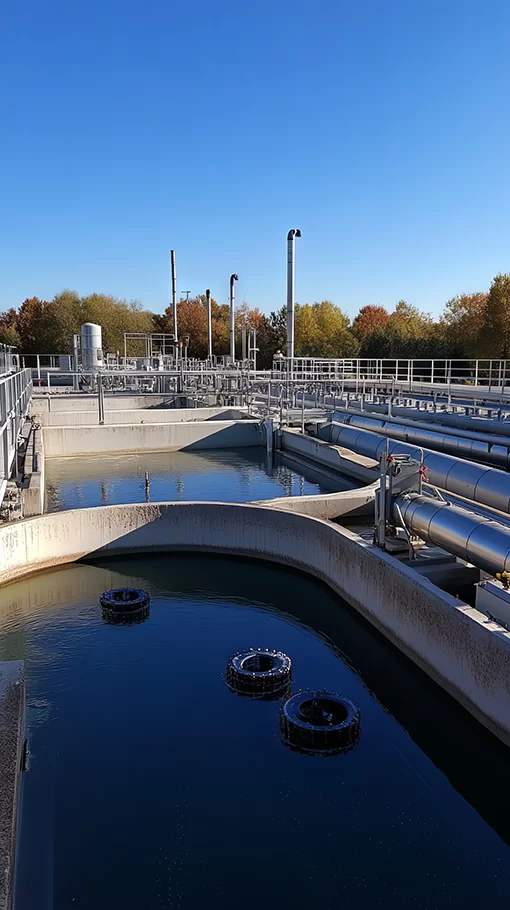
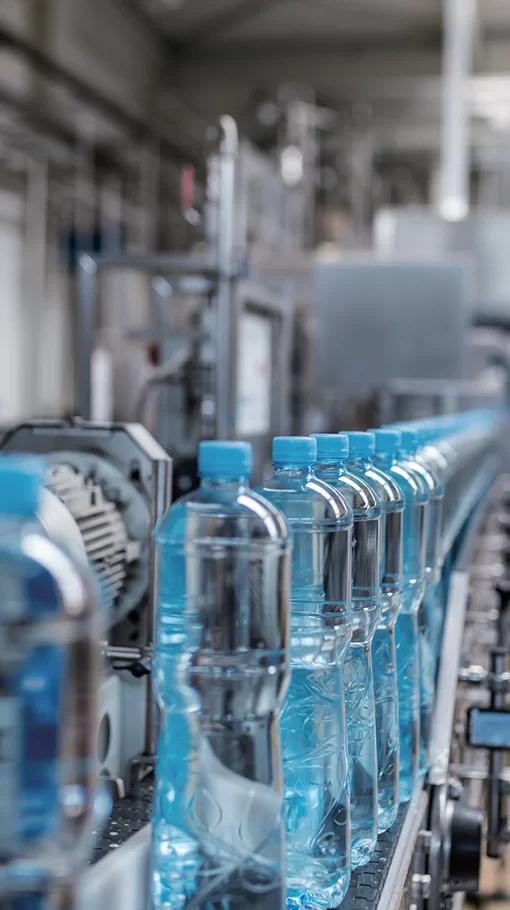
You see these analyzers everywhere, but the application varies. Municipal water treatment plants are the biggest users, obviously. But wastewater treatment facilities, industrial cooling towers, swimming pools, and even bottled water plants all rely on precise chlorine monitoring. I've worked with systems in both developed and developing countries, and the need is universal.
In Europe, stringent regulations drive the demand for high-accuracy analyzers. In North America, it’s a combination of regulations and a growing awareness of water quality issues. In developing countries, the focus is often on providing access to safe drinking water, and affordable, reliable chlorine monitoring is essential. I’ve seen systems deployed in remote villages in Africa, providing clean water to communities that previously had none.
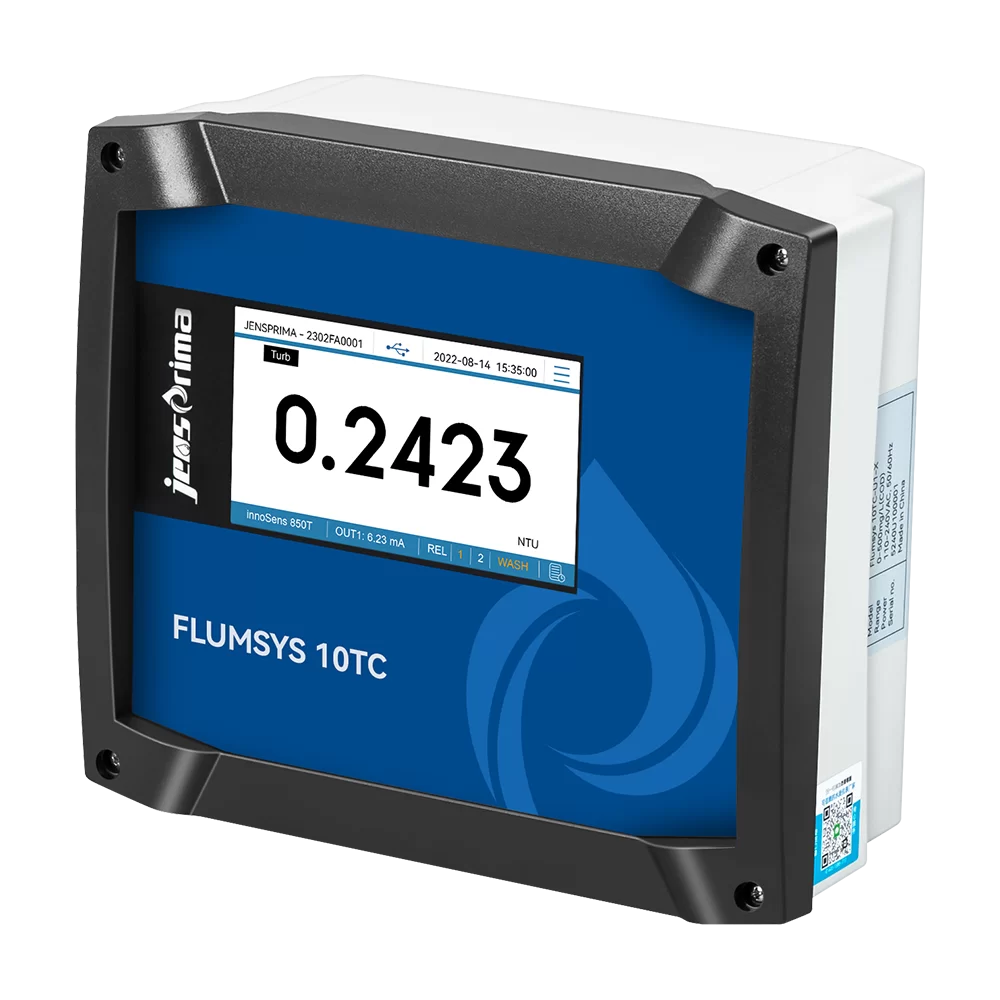
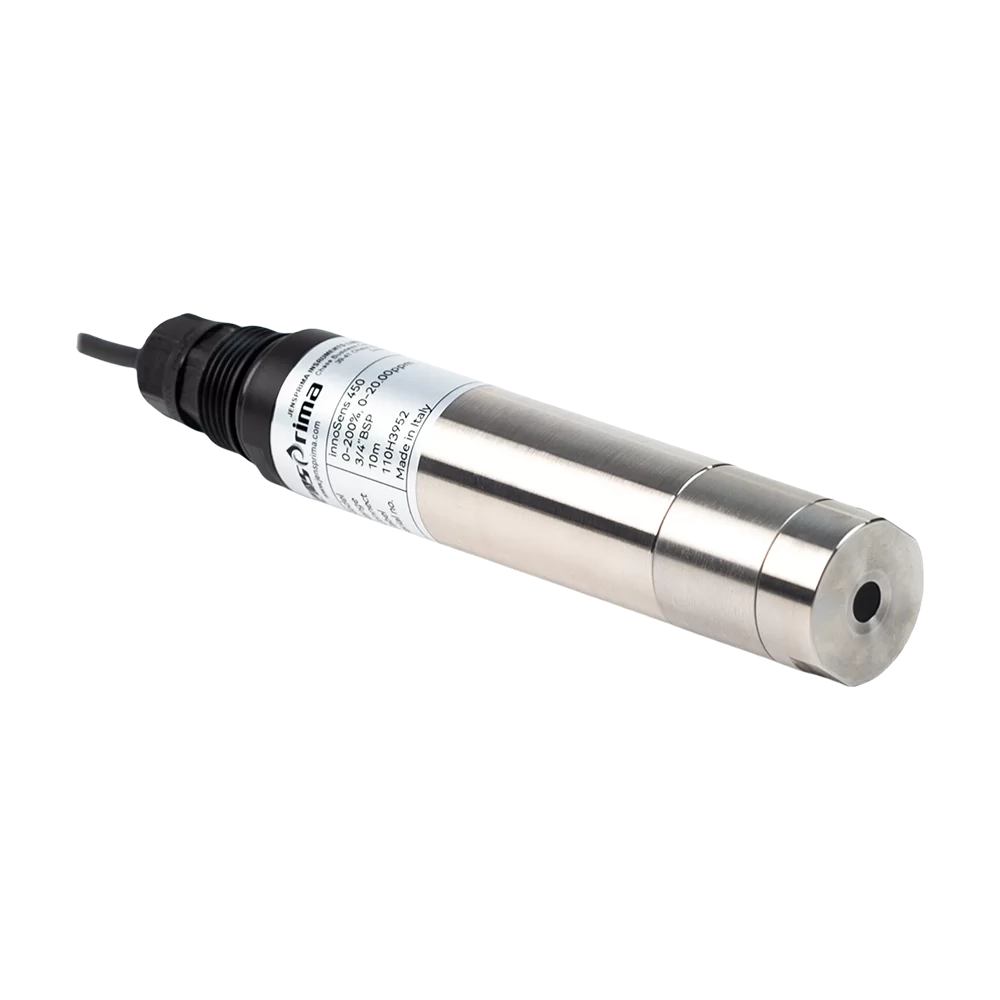
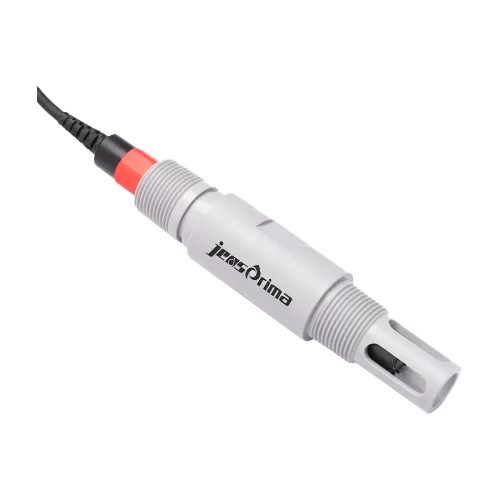
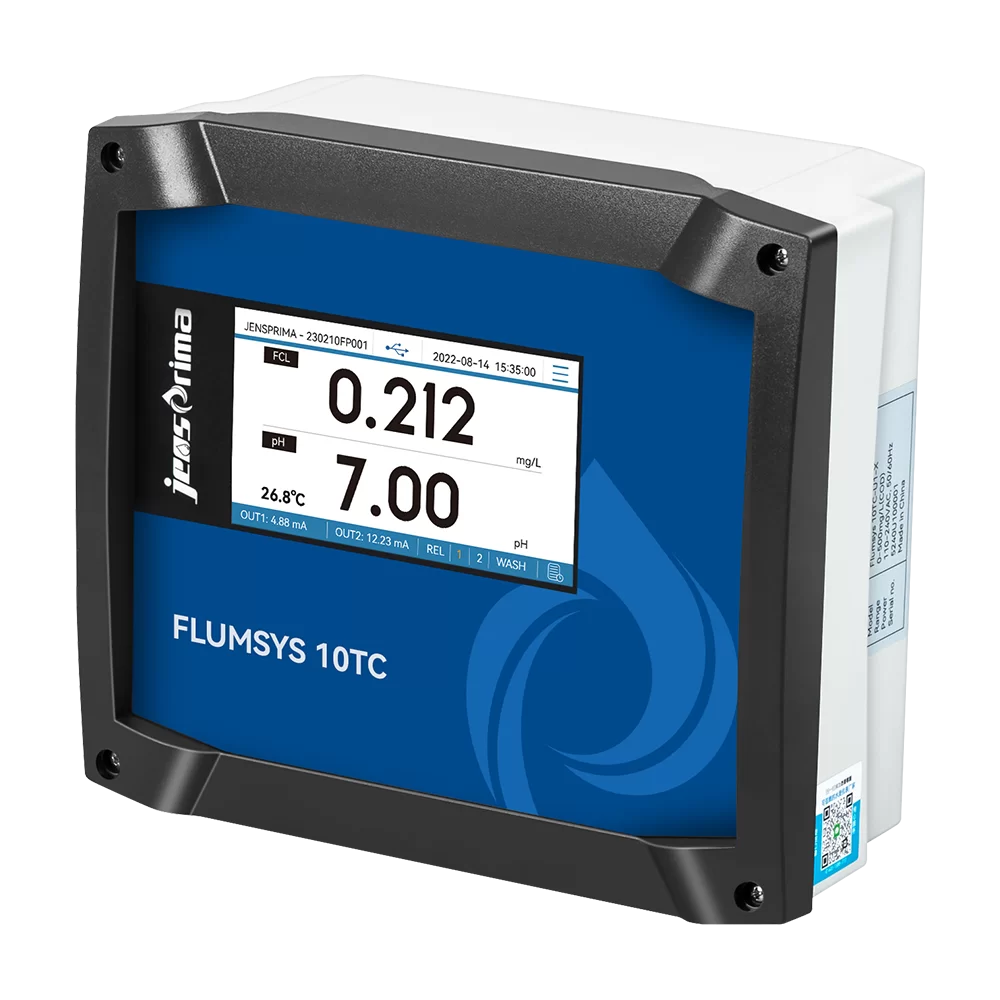
Chlorine Analyzer Performance Comparison
Advantages and Long-Term Value
The benefits of implementing an amperometric chlorine analyzer extend far beyond simply meeting regulatory requirements. There's a clear cost savings to be had through optimized chemical usage and reduced maintenance. But more importantly, there’s the peace of mind knowing you’re providing safe, clean water to your community. That’s something you can’t quantify on a spreadsheet.
The long-term value lies in the sustainability and reliability of the system. A well-maintained analyzer can provide years of accurate data, reducing the need for frequent replacements and minimizing operational disruptions. This also fosters trust with stakeholders – residents, regulators, and the public – demonstrating a commitment to water quality and public health.
Future Trends in Water Quality Analysis
We're seeing a move towards more integrated systems, where chlorine analyzers are connected to SCADA systems for real-time monitoring and remote control. This allows operators to proactively manage water quality and respond to changes in demand. Data analytics and machine learning are also playing a bigger role, helping us to identify patterns and optimize treatment processes.
There’s also a growing interest in developing more portable and affordable analyzers, particularly for use in developing countries and disaster relief situations. The development of new sensor technologies and materials is also driving innovation, leading to more accurate, reliable, and durable instruments.
Challenges and Innovative Solutions
One of the biggest challenges is dealing with fouling and interference from other substances in the water. Biofouling can affect the accuracy of the readings, and certain chemicals can interfere with the electrochemical process. Regular cleaning and maintenance are essential, but we’re also seeing the development of self-cleaning sensors and advanced algorithms to mitigate these effects.
Another challenge is the need for skilled technicians to operate and maintain these systems. Training and education are crucial, and we’re seeing a growing demand for remote monitoring and diagnostic services to help operators troubleshoot problems and optimize performance. Amperometric chlorine analyzer companies must focus on user-friendly interfaces and comprehensive support to address this need.
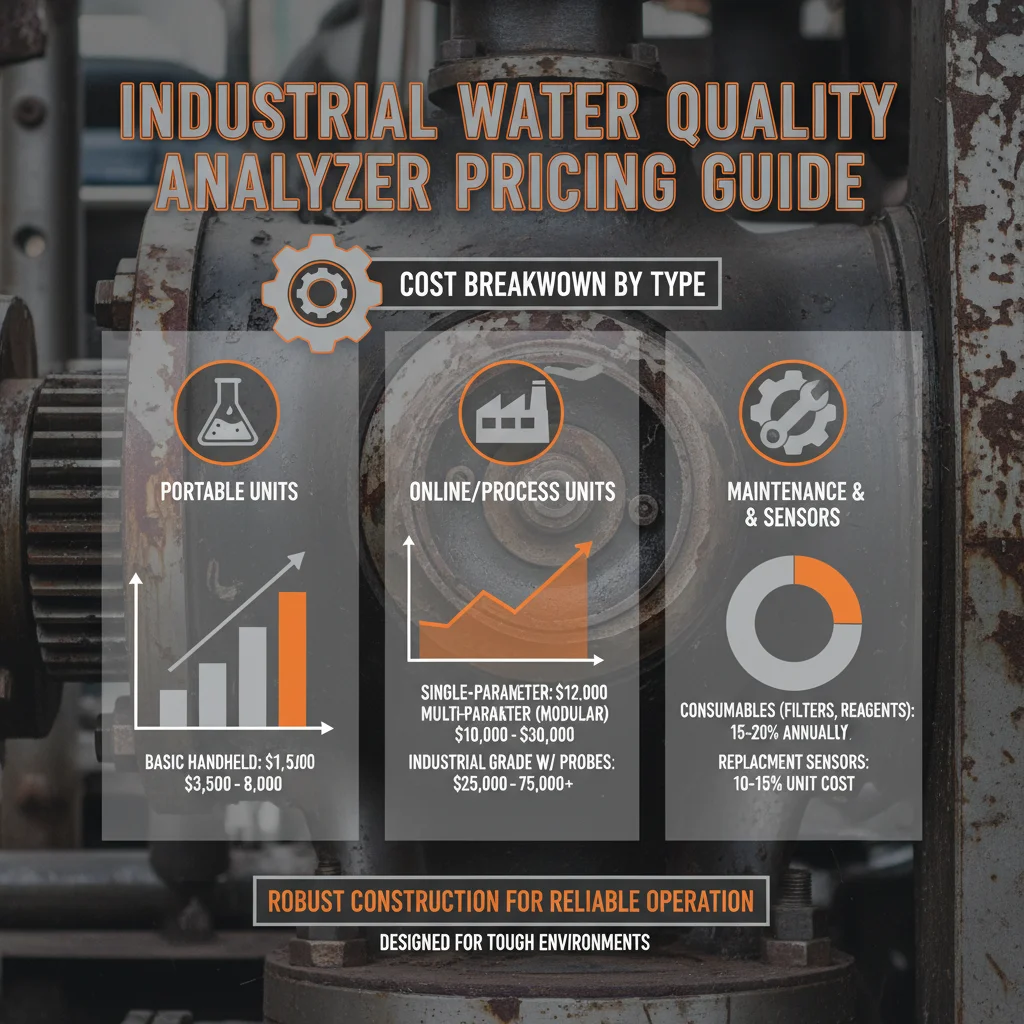
Finally, the cost of advanced analyzers can be a barrier for smaller facilities. The development of more affordable, yet reliable, systems is essential to ensure that everyone has access to safe drinking water.
Summary of Challenges and Solutions for Amperometric Chlorine Analyzers
| Challenge |
Impact on Performance |
Potential Solution |
Implementation Cost (1-10) |
| Biofouling of Electrode |
Reduced Accuracy, Drift in Readings |
Self-Cleaning Electrode Design |
7 |
| Chemical Interference |
False Positive/Negative Readings |
Advanced Signal Processing Algorithms |
6 |
| Lack of Skilled Technicians |
Improper Calibration, Maintenance |
Remote Monitoring & Diagnostic Services |
8 |
| High Initial Cost |
Limited Adoption by Smaller Facilities |
Development of Cost-Effective Models |
5 |
| Electrode Degradation |
Decreased Sensitivity, Shorter Lifespan |
Use of Corrosion-Resistant Materials |
9 |
| Data Integration Challenges |
Difficulty in System-Wide Monitoring |
Standardized Communication Protocols (e.g., Modbus) |
4 |
FAQS
The lifespan of an amperometric chlorine analyzer electrode can vary significantly based on water quality, usage frequency, and maintenance practices. However, a well-maintained electrode typically lasts between 12 to 24 months. Factors like high levels of organic matter, turbidity, or extreme pH values can accelerate degradation. Regular cleaning and proper storage when not in use are crucial for maximizing electrode life.
Calibration frequency depends on the specific analyzer model, application requirements, and water quality variations. Generally, it's recommended to calibrate the analyzer every 1-3 months. However, if you observe drifts in readings or suspect calibration errors, more frequent calibration may be necessary. Always follow the manufacturer's guidelines for calibration procedures and standards.
Several factors can contribute to inaccurate readings. These include electrode fouling, interference from other chemicals in the water, improper calibration, and variations in temperature or pressure. Biofouling, in particular, is a common issue. Regular cleaning of the electrode, ensuring proper calibration, and addressing any water quality issues are key to maintaining accuracy.
High turbidity can interfere with amperometric chlorine analysis. Suspended particles can foul the electrode and affect the accuracy of the readings. While some analyzers are designed to handle moderate levels of turbidity, it's generally recommended to use a pre-filtration system to remove suspended solids if the water has high turbidity. Regular cleaning of the electrode is also essential.
Free chlorine refers to the amount of chlorine available for disinfection (hypochlorous acid and hypochlorite ion), while total chlorine includes both free chlorine and combined chlorine (chloramines). Amperometric analyzers typically measure free chlorine. In water treatment, monitoring free chlorine is crucial for ensuring effective disinfection. Total chlorine measurement is important for assessing disinfection byproduct formation.
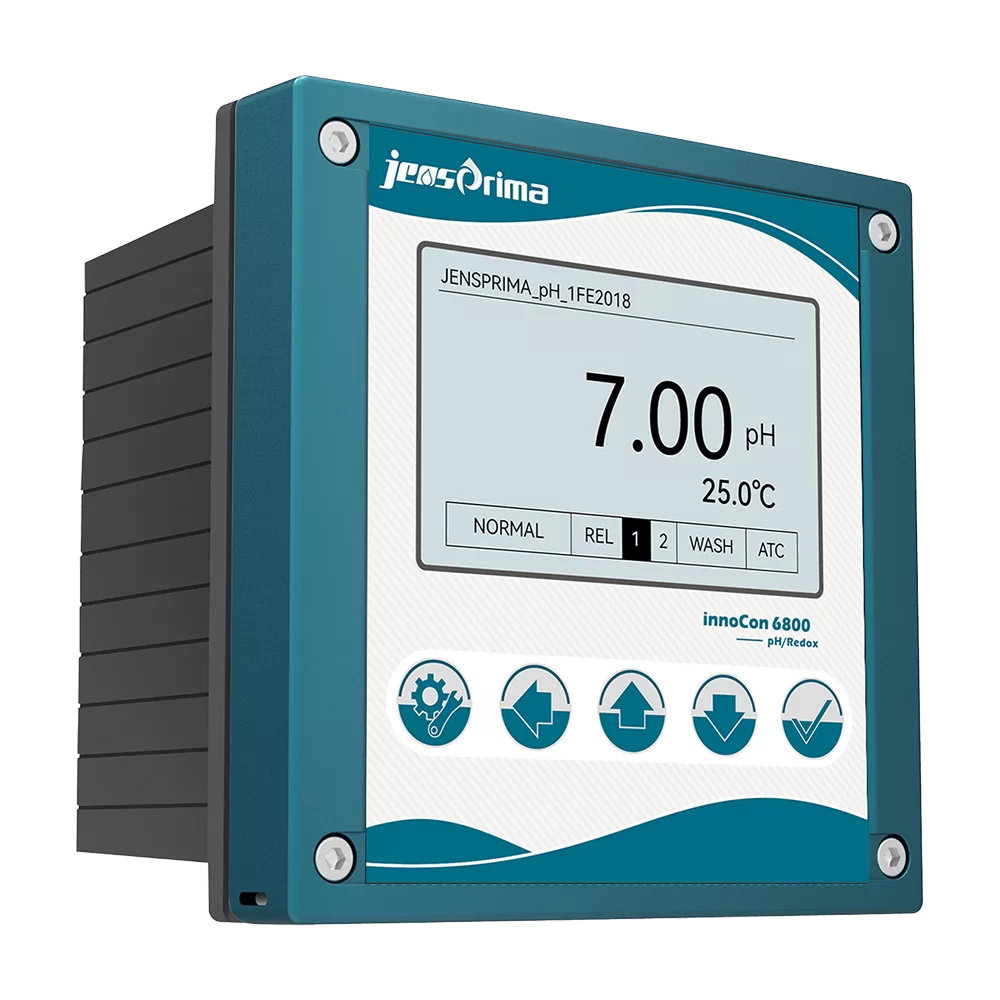
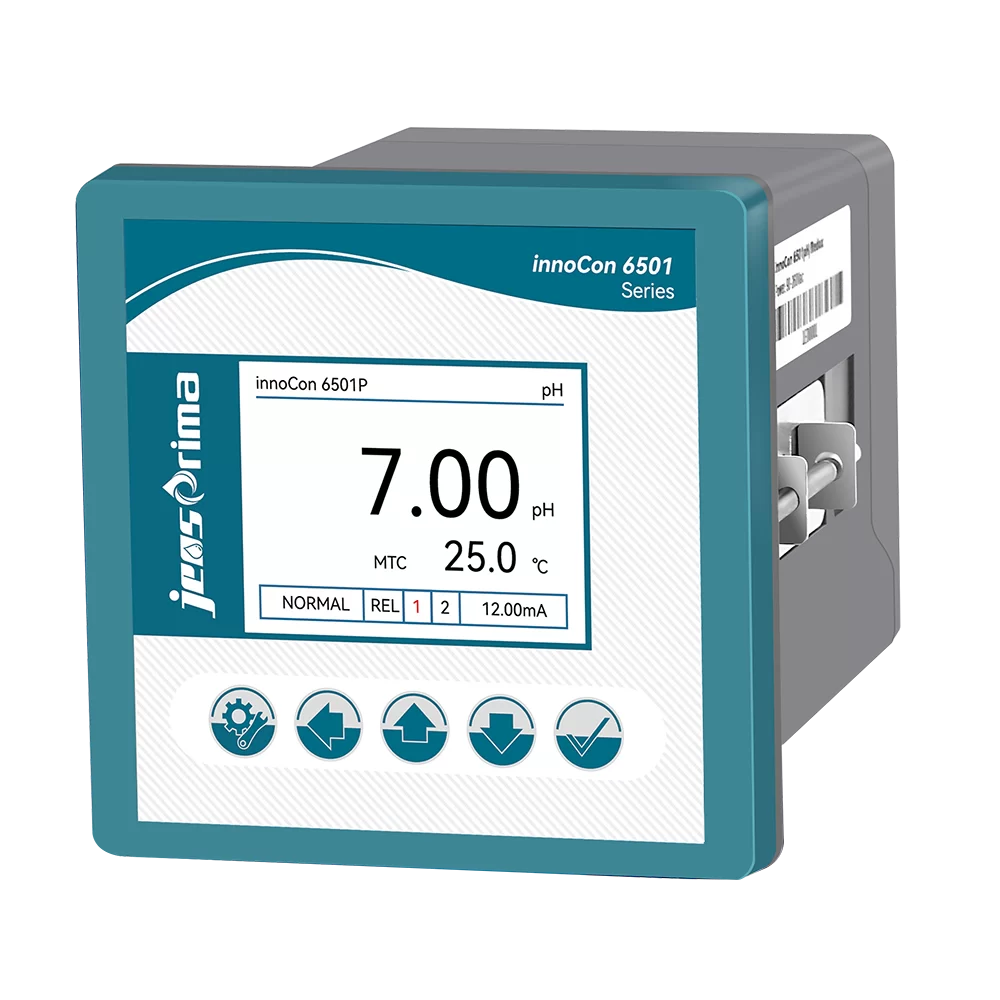
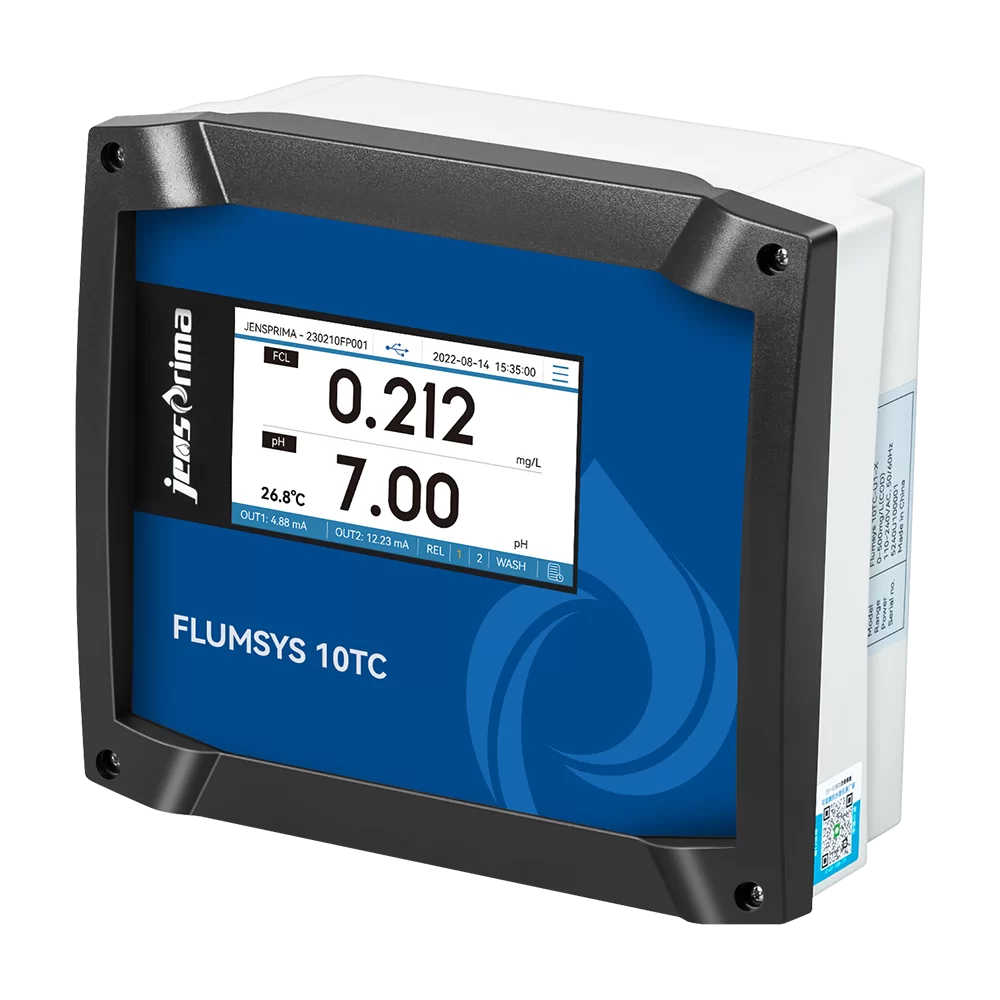
Digital analyzers offer several advantages over analog systems. They typically provide greater accuracy, stability, and ease of use. Digital displays offer clearer readings, and many digital analyzers include features like data logging, remote communication capabilities, and self-diagnostic tools. They are also often more resistant to electrical noise and interference.
Conclusion
The amperometric chlorine analyzer is more than just a piece of equipment; it’s a critical component of safe water management. From ensuring public health to optimizing treatment processes, it provides the accurate, reliable data we need to make informed decisions. Its global applicability and the ongoing advancements in technology demonstrate its enduring importance in addressing the world's water quality challenges.
Looking ahead, the integration of these analyzers with smart systems and the development of more robust and affordable sensors will further enhance their value. Investing in this technology isn't just about compliance; it's about investing in a sustainable future where everyone has access to safe, clean water. For robust and reliable solutions, visit our website: www.jensprima.com


 Download
 Video Center
 Technical Services
 FAQS
FAQS Service Network
 Privacy Policy
 Contact Us