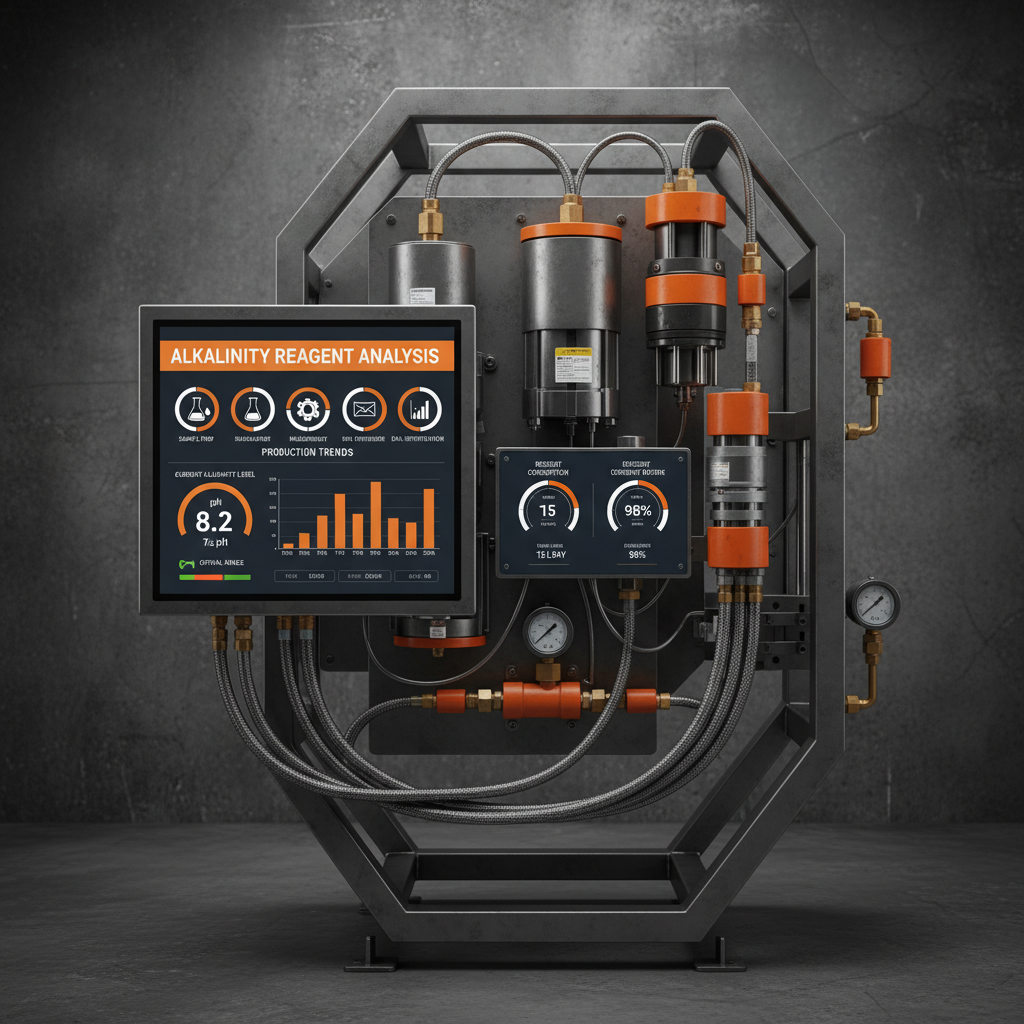
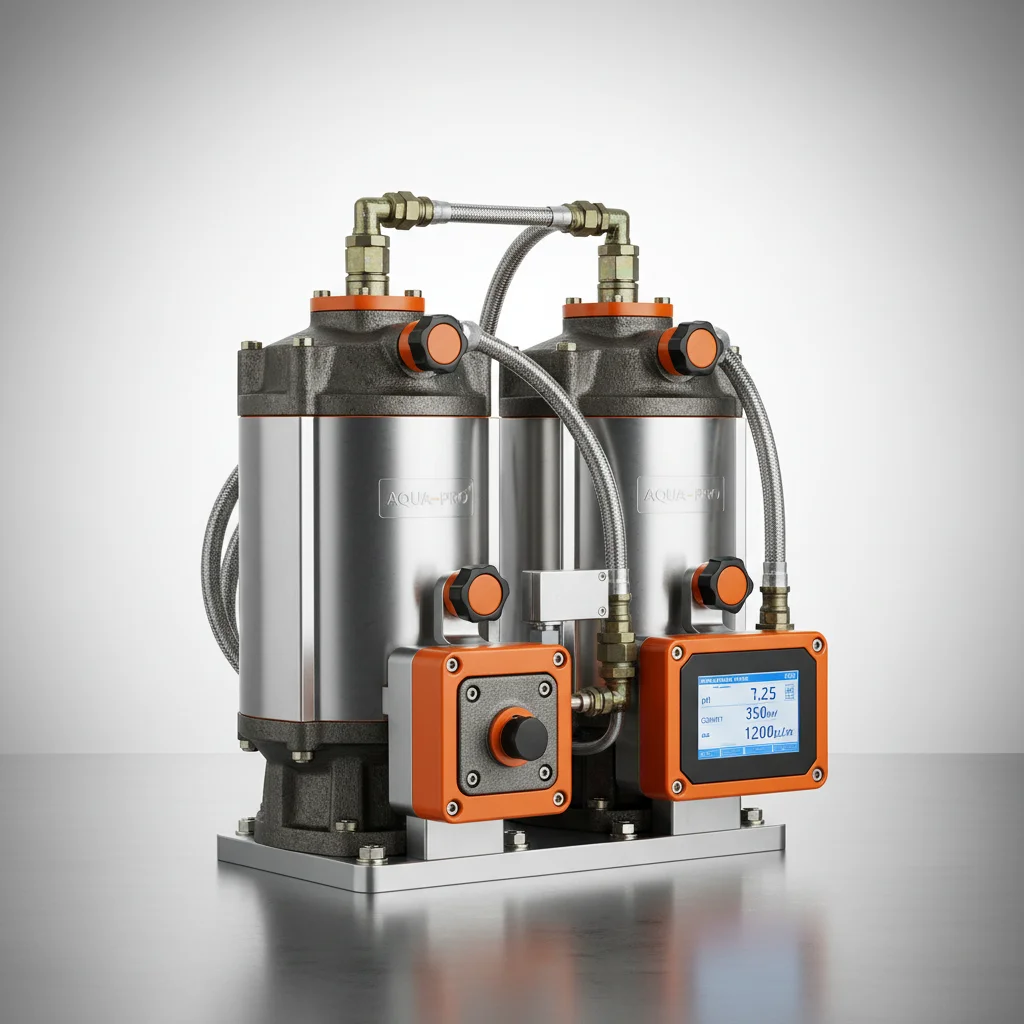
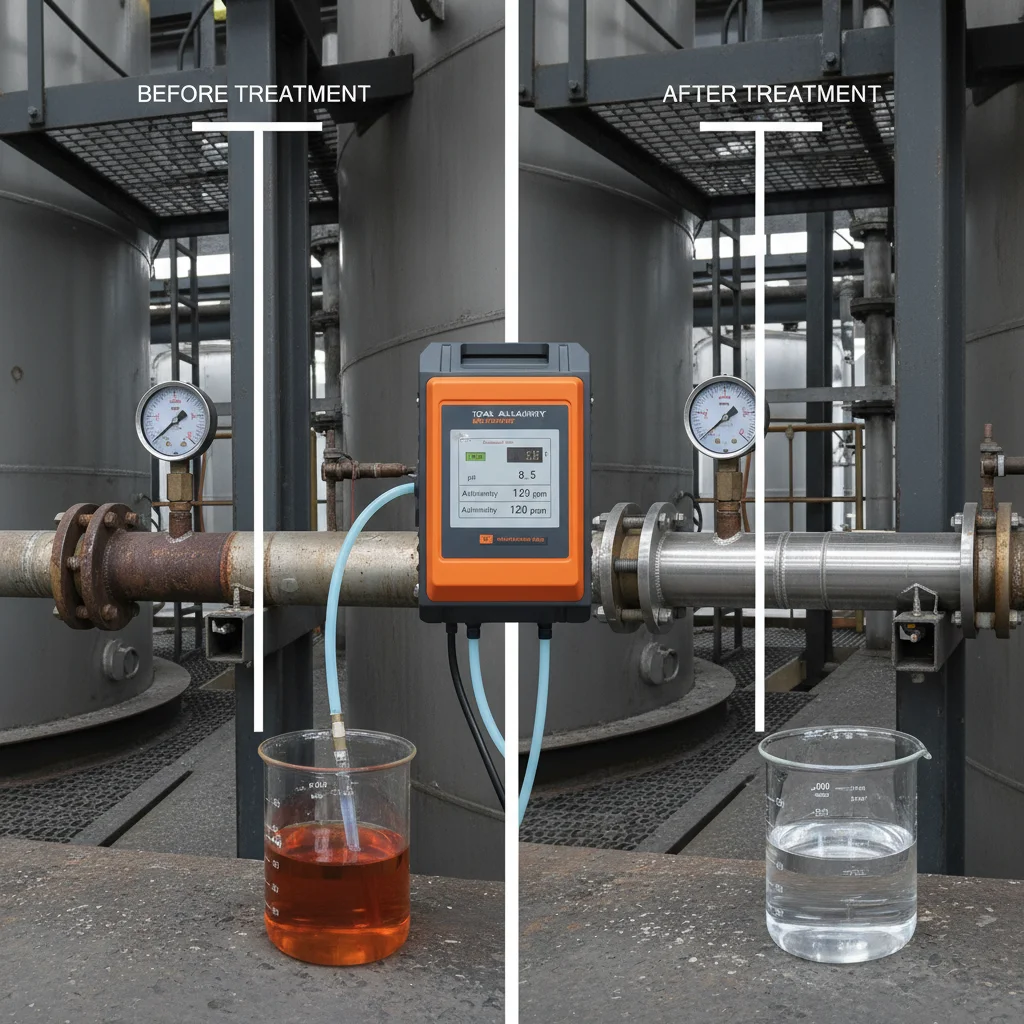
Alkalinity reagent plays a crucial, yet often unseen, role in maintaining the health and stability of countless systems, from industrial water treatment to ecological monitoring. Understanding its principles and applications is increasingly vital in a world facing growing environmental concerns and demands for resource efficiency. The precise measurement of alkalinity, facilitated by quality alkalinity reagent, allows for effective control of pH, preventing corrosion, optimizing chemical processes, and safeguarding aquatic life.
Globally, the demand for reliable alkalinity measurement is driven by stringent environmental regulations and the need for sustainable practices. Industries like power generation, chemical manufacturing, and wastewater treatment rely heavily on accurate alkalinity control to meet compliance standards and minimize their environmental impact. Furthermore, the expanding field of aquaculture and the critical task of monitoring freshwater resources both depend on dependable alkalinity reagent for assessing water quality.
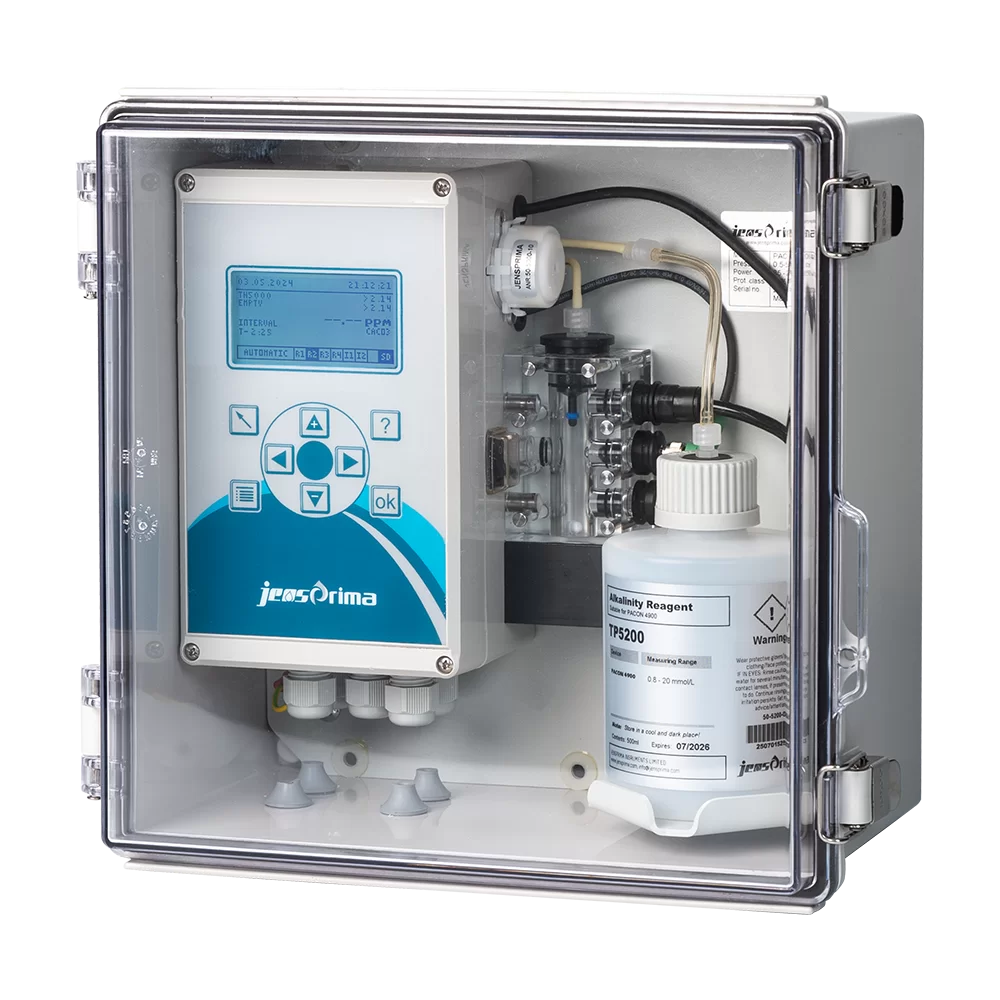
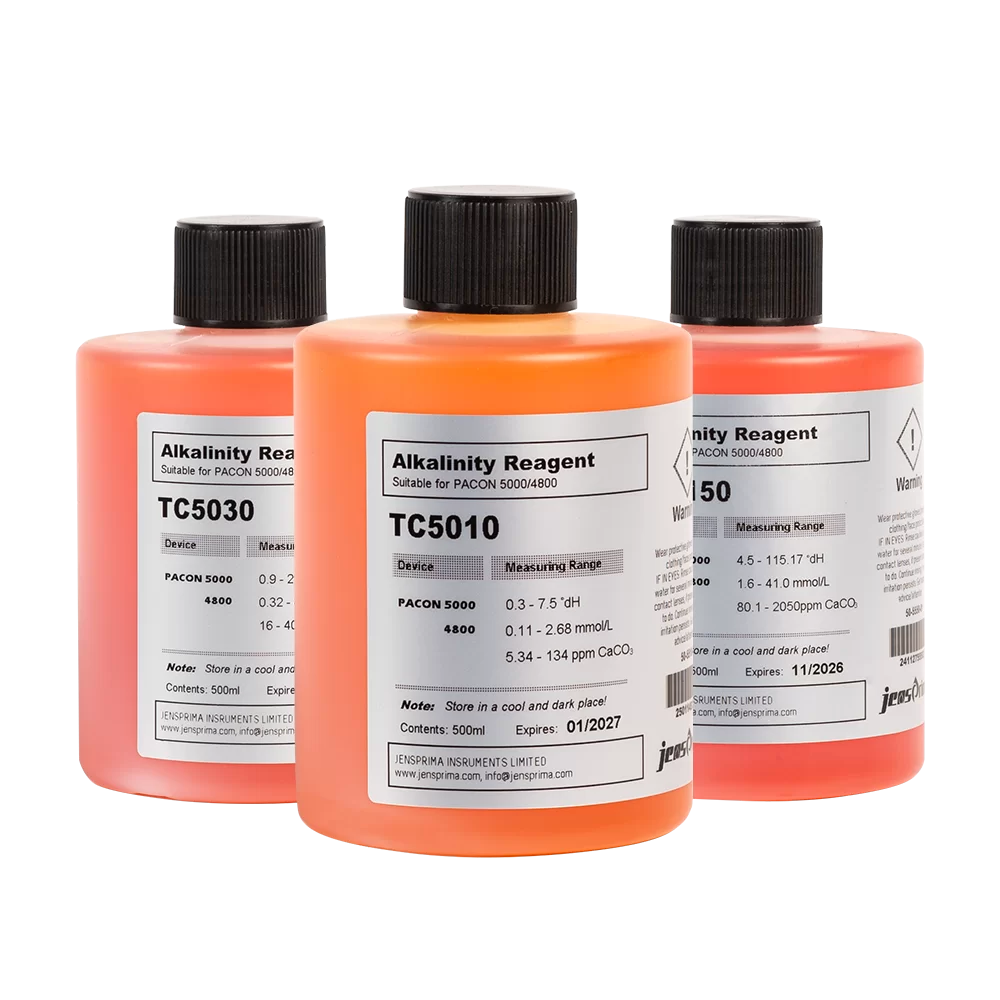
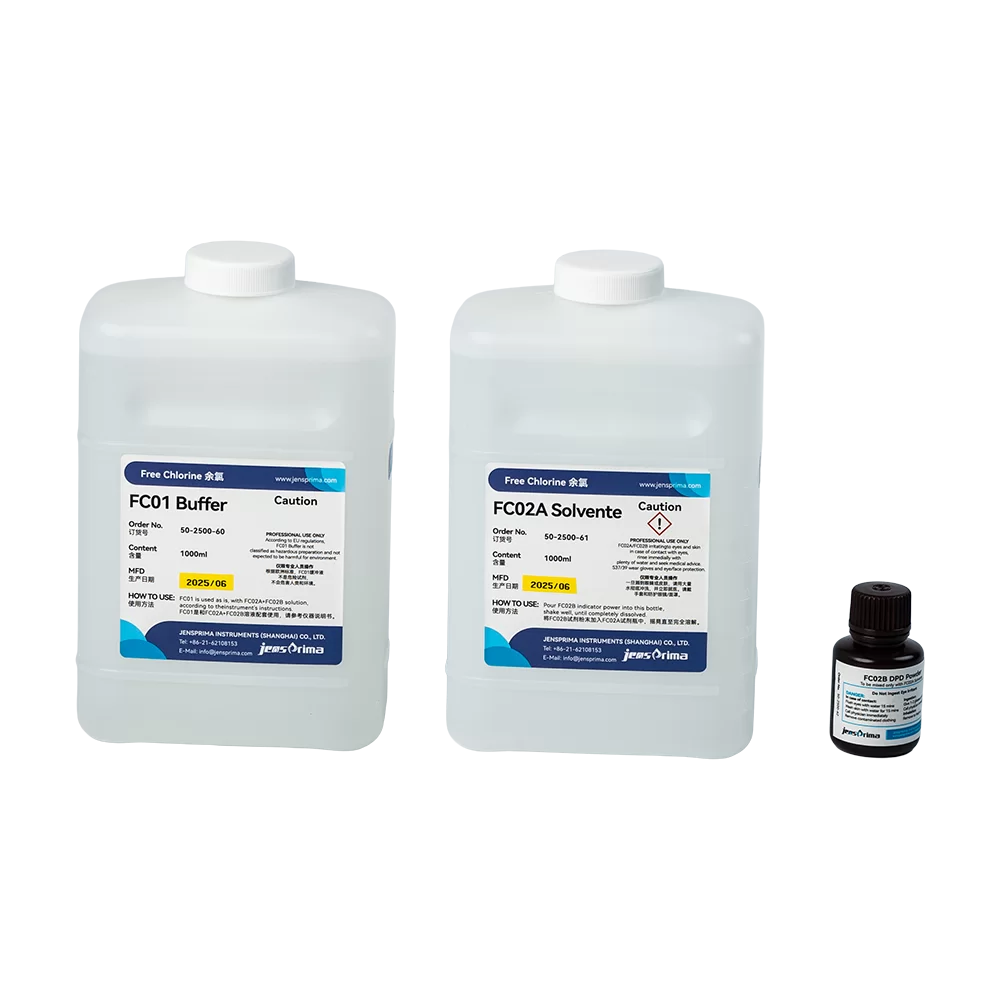
Essentially, alkalinity reagent is a chemical solution used to determine the capacity of a water sample to neutralize acids. This capacity is critical in diverse applications, providing a quantitative measure of buffering ability. Its importance spans from ensuring safe drinking water supplies to optimizing industrial processes, making it a cornerstone of modern scientific analysis and environmental management.
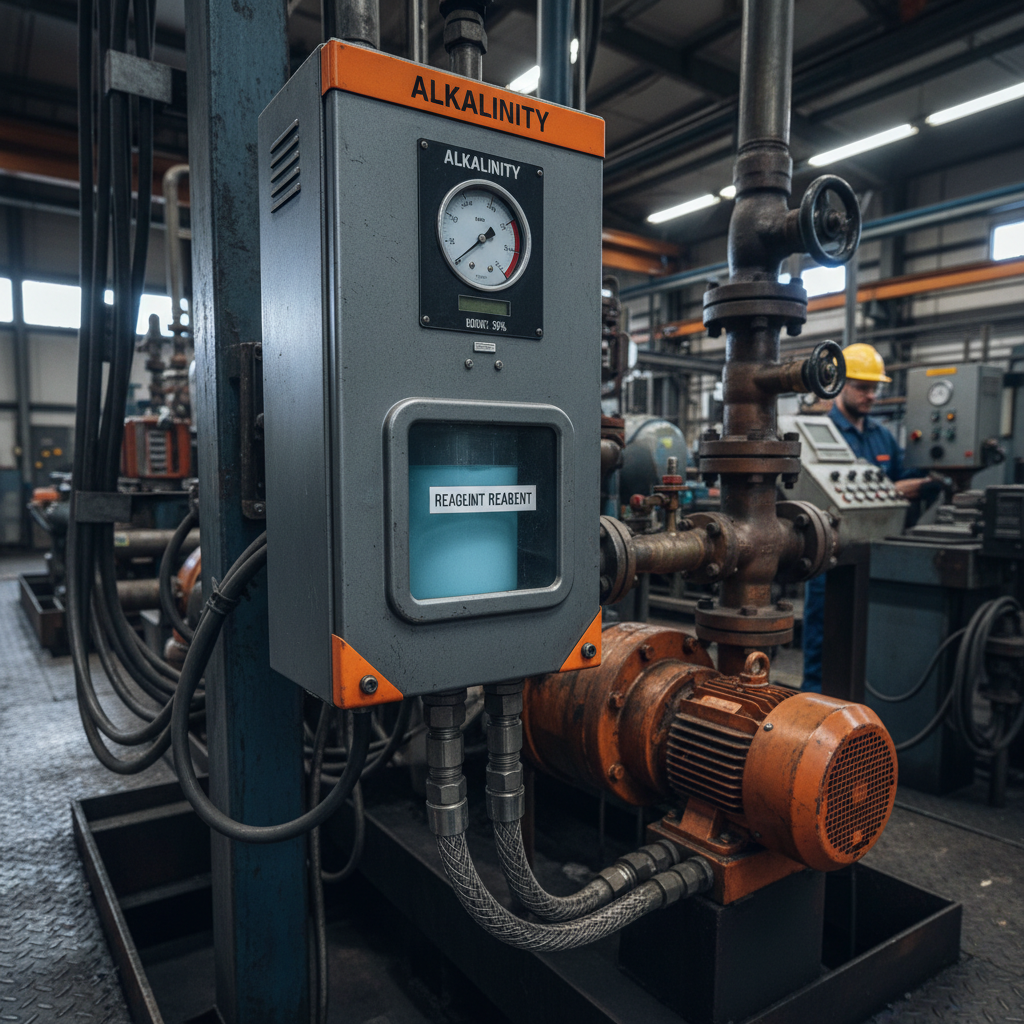
The Importance of Alkalinity Reagent
The precise and reliable measurement of alkalinity, achieved through the use of quality alkalinity reagent, is foundational to maintaining the integrity of various environmental and industrial systems. Without accurate assessment, the risk of corrosion, scaling, and inefficient chemical processes significantly increases.
Effective alkalinity management, made possible by consistent alkalinity reagent standards, directly translates to cost savings, reduced environmental impact, and improved process control. Industries prioritizing quality alkalinity reagent demonstrate a commitment to both operational efficiency and responsible environmental stewardship.
Global Context and Applications
The need for accurate alkalinity measurement is a global issue, influenced by international standards set by organizations like the ISO and regulatory bodies in individual countries. The World Bank and the UN also highlight the importance of water quality monitoring, where alkalinity assessment is a key component, particularly in developing nations facing water scarcity and pollution challenges.
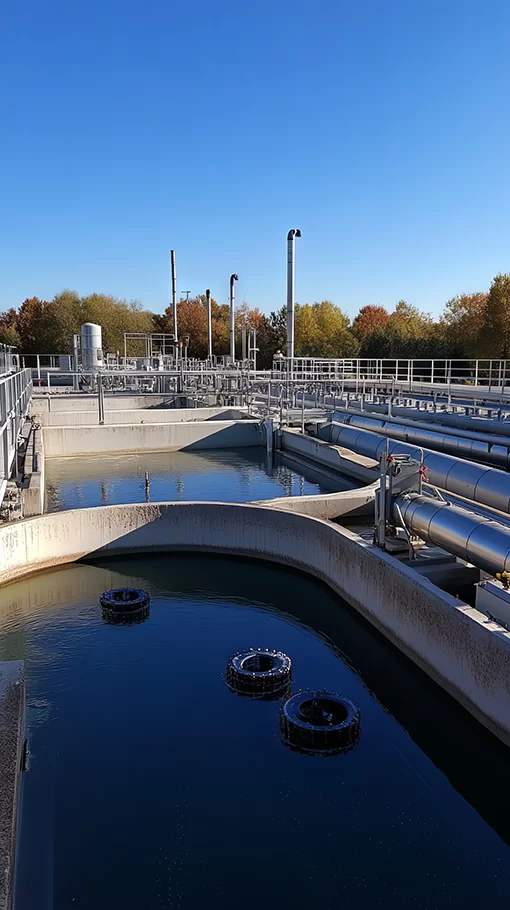
Industries across the globe, including power plants, chemical processing facilities, and municipal water treatment plants, rely on alkalinity reagent for process control, ensuring compliance with environmental regulations, and protecting infrastructure from corrosion.
Furthermore, alkalinity reagent is essential in aquaculture to maintain optimal conditions for fish and shellfish growth, and in ecological studies to assess the health of freshwater and marine ecosystems. The growing emphasis on sustainable agriculture also drives demand for alkalinity assessment in irrigation water management.
Defining Alkalinity Reagent
In its simplest form, alkalinity reagent is a standardized chemical solution designed to react with acids in a water sample, allowing for a quantitative determination of the water’s buffering capacity. This capacity is determined by the concentrations of bicarbonate, carbonate, and hydroxide ions present in the water.
The connection to modern industry stems from the critical need to manage pH in a wide array of processes. Alkalinity, as measured using alkalinity reagent, directly impacts corrosion rates, the effectiveness of chemical treatments, and the overall efficiency of industrial operations. Maintaining optimal alkalinity levels translates to reduced maintenance costs, prolonged equipment lifespan, and minimized environmental damage.
Humanitarian needs are also addressed through the use of alkalinity reagent. Accurate water quality assessment, including alkalinity measurement, is vital in ensuring safe drinking water, particularly in disaster relief situations or in communities with limited access to advanced water treatment facilities. The reagent empowers field workers to quickly and accurately evaluate water sources.
Key Characteristics of Alkalinity Reagent
One crucial characteristic is Accuracy and Precision. High-quality alkalinity reagent provides reliable and repeatable results, minimizing errors in analysis and ensuring confidence in decision-making.
Another key factor is Stability and Shelf Life. A stable reagent maintains its concentration over time, reducing the need for frequent recalibration and ensuring consistent performance.
Alkalinity Reagent Performance Metrics
Real-World Use Cases
In post-disaster relief operations, alkalinity reagent is deployed to quickly assess the potability of available water sources, ensuring that aid organizations can provide safe drinking water to affected populations.
Within the power generation sector, alkalinity reagent is integral to boiler water treatment, preventing scale formation and corrosion that could lead to costly downtime and equipment failure.
Advantages and Long-Term Value
Utilizing accurate alkalinity reagent results in significant cost savings through optimized chemical usage and reduced maintenance requirements. Sustainability is enhanced by minimizing the environmental impact of industrial processes and ensuring responsible water resource management.
Beyond the tangible benefits, employing reliable alkalinity reagent promotes safety by preventing corrosion and ensuring the stability of critical infrastructure. The trust placed in accurate data empowers informed decision-making, fostering innovation and long-term operational success.
Future Trends and Challenges
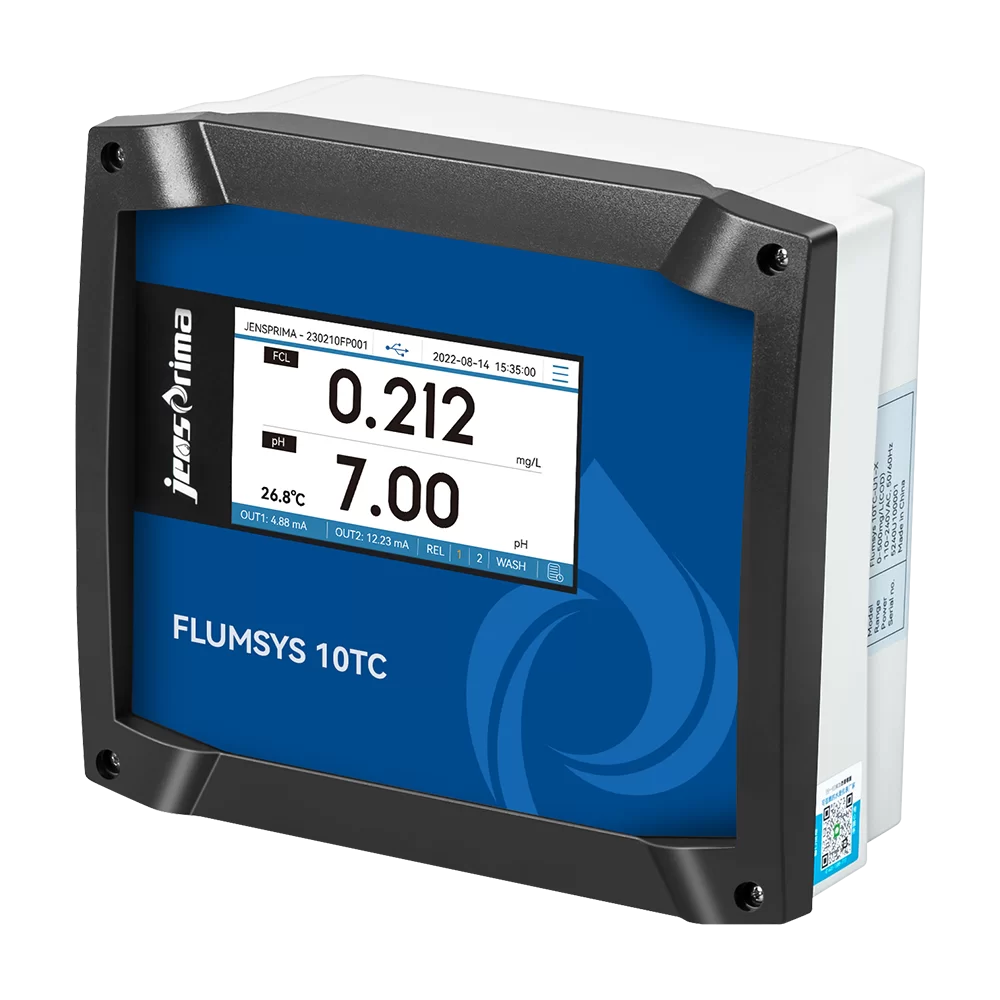
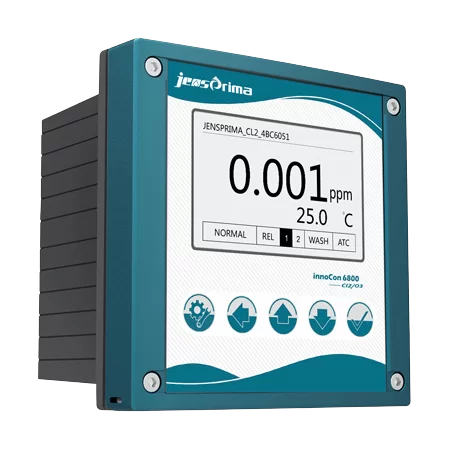
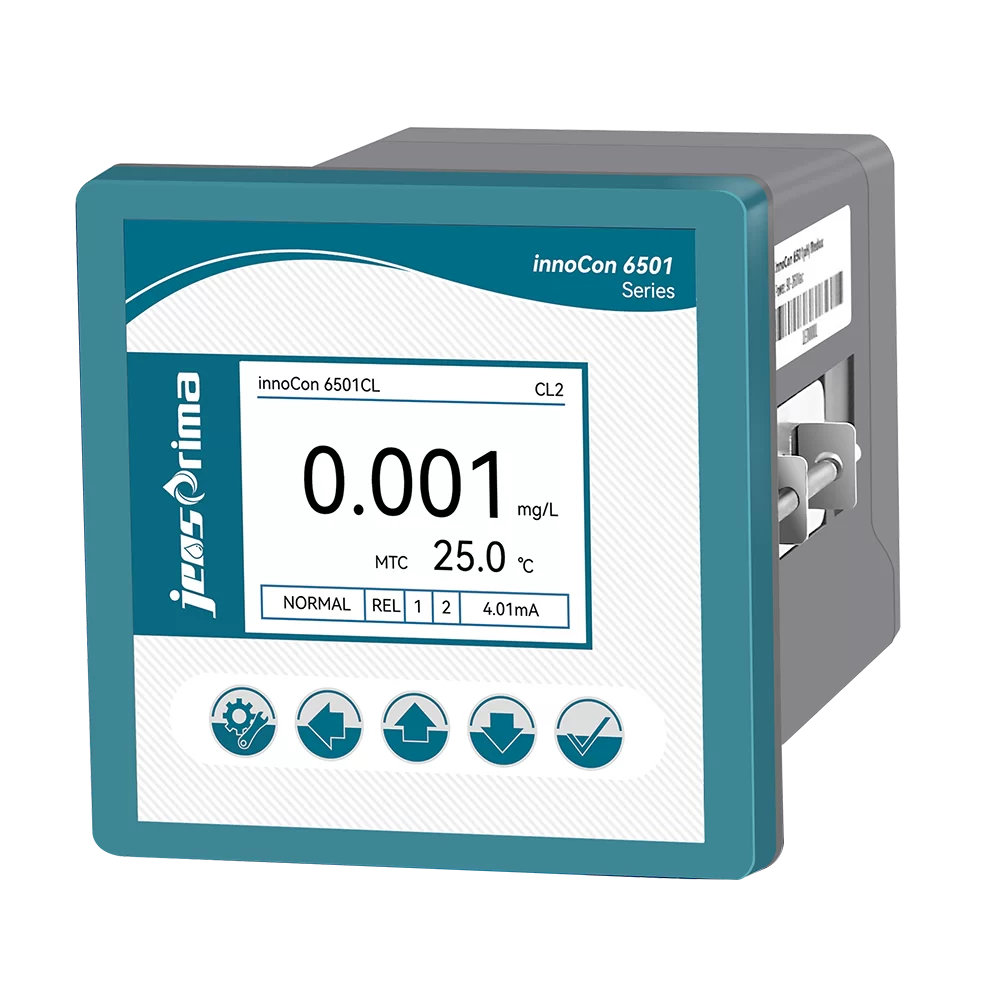
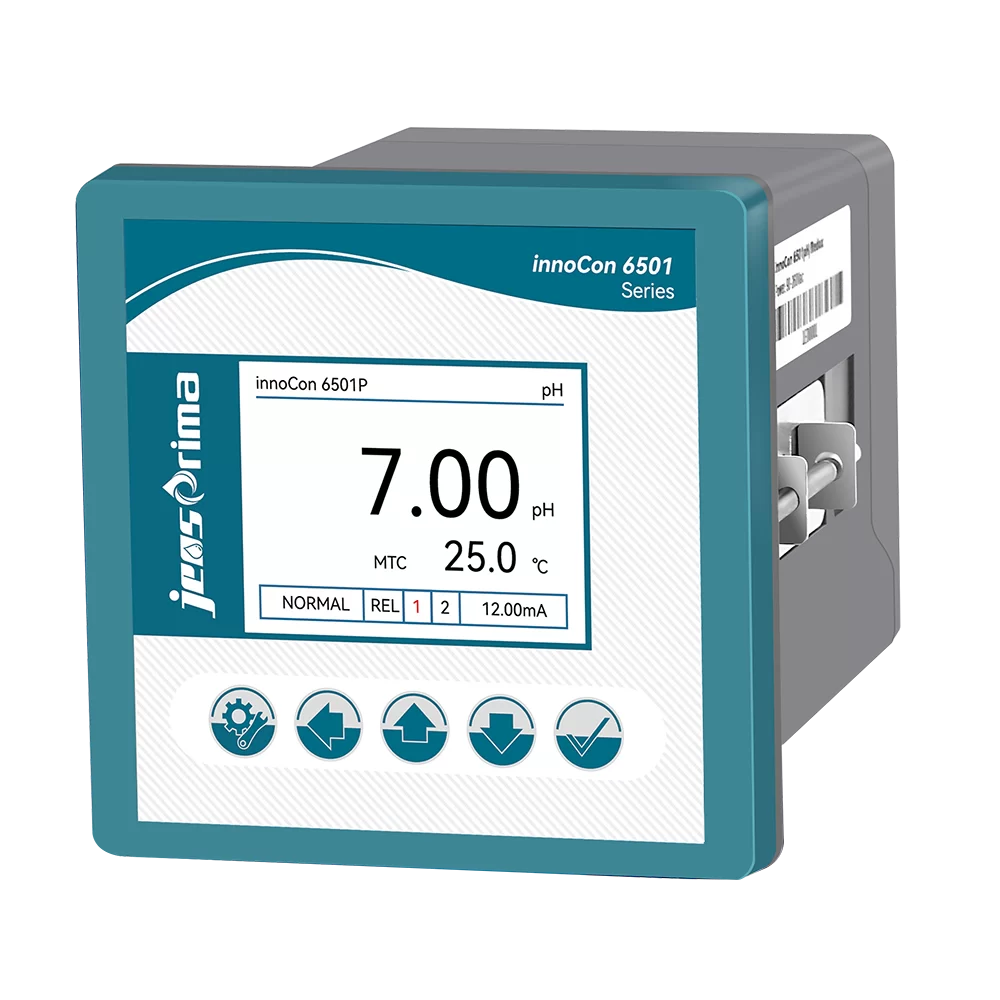
Emerging trends include the development of more sensitive and portable alkalinity reagent kits for rapid field testing, leveraging advancements in sensor technology. Integration with digital monitoring systems and automation platforms allows for real-time alkalinity control and data analysis.
Sustainability is driving demand for greener reagent formulations and more environmentally friendly analytical methods. Challenges remain in addressing the potential for reagent interference from other water constituents and ensuring standardization across different testing protocols.
The increasing focus on water reuse and resource recovery will necessitate even more precise and reliable alkalinity measurements, pushing the boundaries of alkalinity reagent technology.
Summary of Alkalinity Reagent Challenges and Mitigation Strategies
| Challenge |
Impact on Alkalinity Measurement |
Mitigation Strategy |
Cost of Implementation (1-10) |
| Interference from Dissolved Metals |
Can lead to inaccurate alkalinity readings |
Employ masking agents or utilize spectrophotometric methods |
4 |
| Reagent Instability |
Results in drift and reduced accuracy |
Proper storage and use of stabilized reagent formulations |
3 |
| Calibration Errors |
Systematic bias in alkalinity measurements |
Regular calibration with certified reference materials |
5 |
| Limited Portability of Equipment |
Hinders field testing and rapid response |
Development of compact, battery-powered titrators |
6 |
| Standardization Issues |
Variations in methods can lead to inconsistent results |
Adoption of standardized protocols (e.g., ASTM, EPA) |
7 |
| Lack of Trained Personnel |
Incorrect procedures and data interpretation |
Comprehensive training programs and certification |
2 |
FAQS
A properly stored, high-quality alkalinity reagent generally has a shelf life of 12-24 months. However, it's essential to check the manufacturer's specifications and expiration date, as this can vary depending on the formulation and packaging. Exposure to air, light, or extreme temperatures can accelerate degradation and reduce accuracy. Regularly monitoring reagent performance with control samples is recommended.
Temperature significantly influences alkalinity measurements. Alkalinity generally decreases as temperature increases due to changes in the solubility of carbon dioxide. Therefore, accurate measurements require controlling the sample temperature or applying appropriate temperature correction factors. Most standard methods specify a testing temperature of 25°C, and reagent performance is optimized within this range.
Alkalinity reagent, while not typically highly hazardous, can cause irritation to skin and eyes. Always wear appropriate personal protective equipment (PPE), including gloves and safety glasses, when handling the reagent. Avoid inhaling vapors and ensure adequate ventilation. In case of contact, rinse thoroughly with water and seek medical attention if irritation persists. Refer to the Material Safety Data Sheet (MSDS) for detailed safety information.
Yes, alkalinity reagent can be used to measure alkalinity in seawater, but some adjustments may be necessary. Seawater's higher salinity and complex composition can introduce interferences. Specialized titration procedures or reagents designed specifically for seawater analysis may be preferred for optimal accuracy. It’s vital to account for the impact of magnesium and sulfate ions on the titration endpoint.
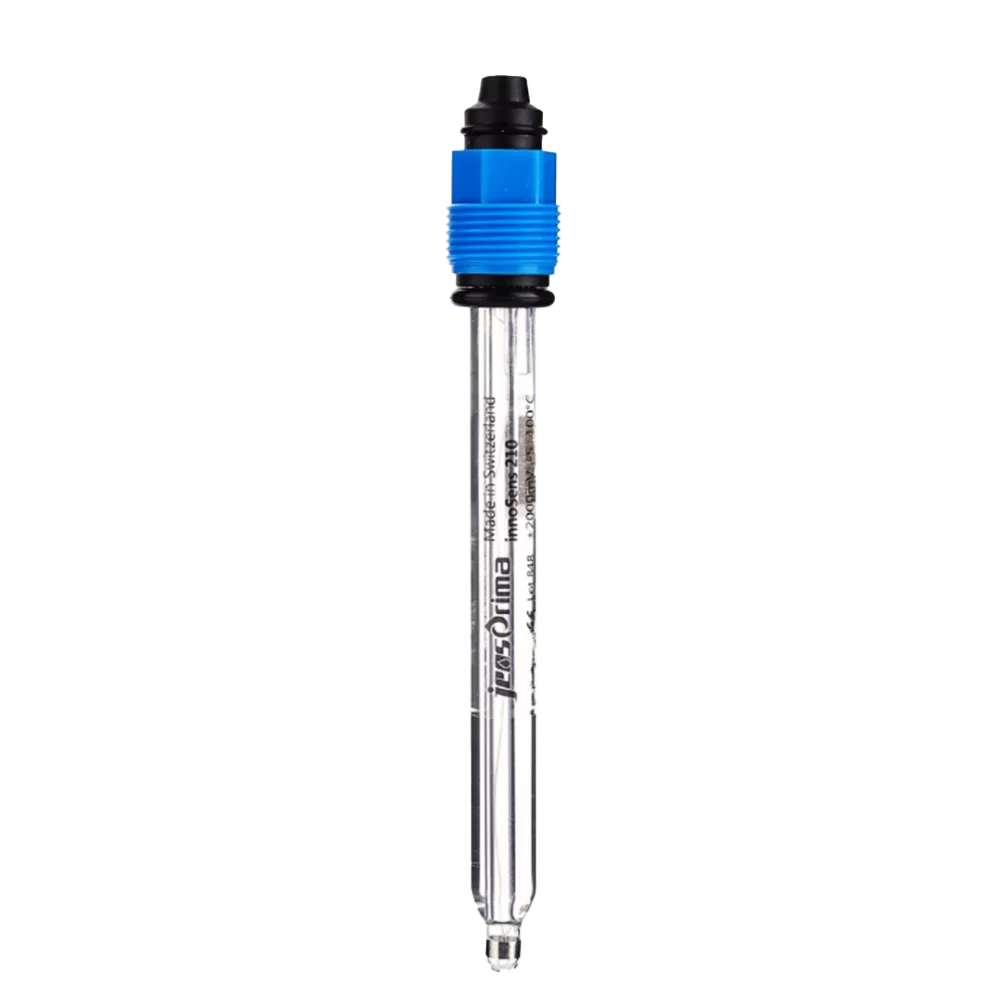
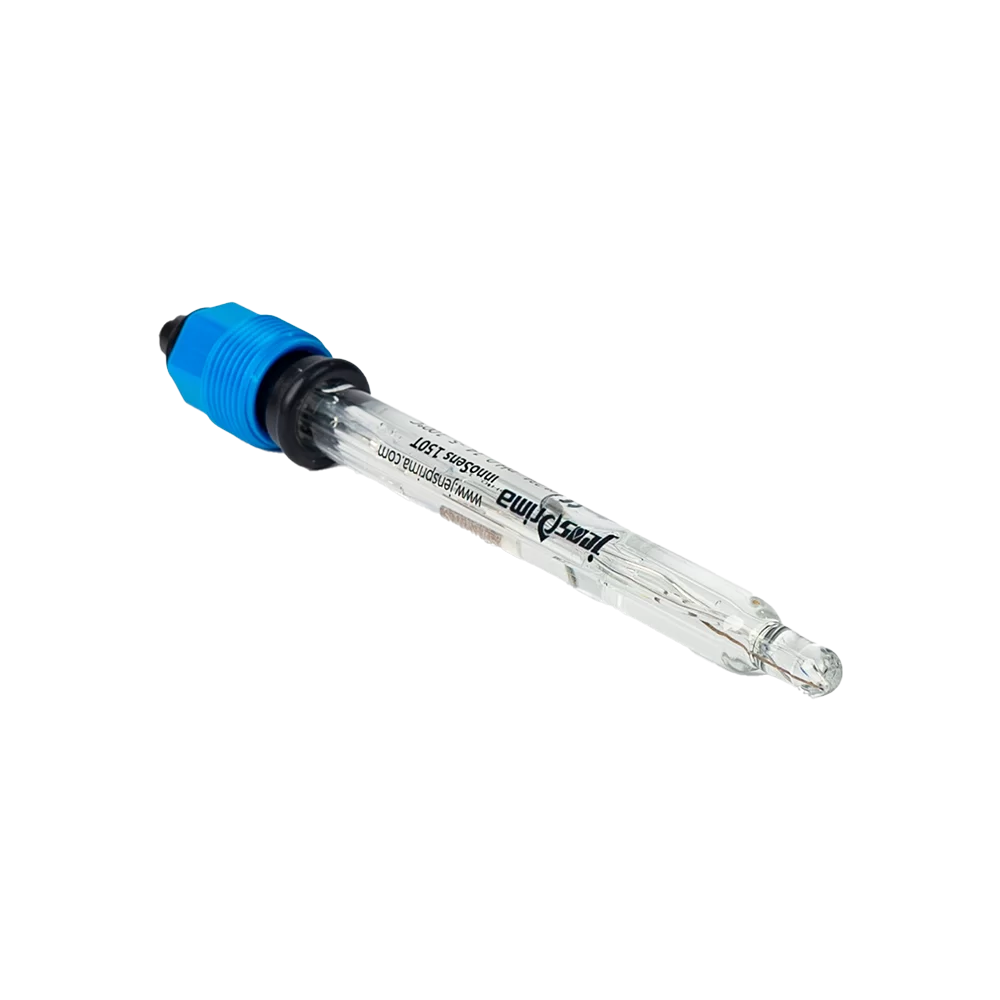
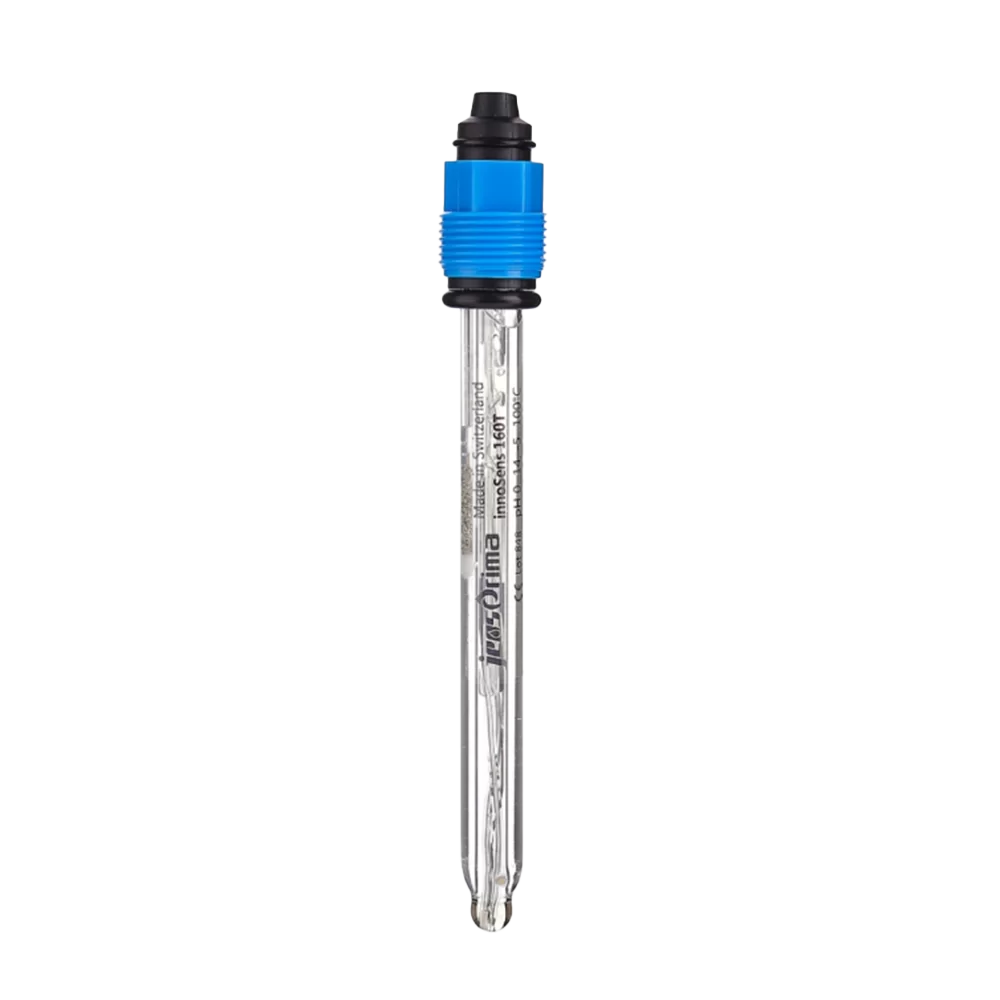
While pH meters measure acidity/alkalinity, they don’t directly quantify the capacity to neutralize acids, which is what alkalinity represents. Alkalinity reagent, through titration, provides a precise measurement of that buffering capacity. pH meters are useful for monitoring real-time changes but are less accurate for determining total alkalinity. The two methods complement each other; pH measurement aids in understanding the current state, while alkalinity measurement reveals the overall resistance to pH shifts.
Common errors include inaccurate standardization of the reagent, incorrect endpoint detection (especially with visual indicators), contamination of samples, and incomplete mixing during titration. Proper technique, careful calibration, and the use of appropriate equipment, such as burettes and magnetic stirrers, are crucial for minimizing these errors. Regularly running control samples helps validate the accuracy of the process.
Conclusion
In conclusion, alkalinity reagent remains an indispensable tool for ensuring water quality, optimizing industrial processes, and safeguarding the environment. Its ability to accurately measure a water's capacity to neutralize acids is fundamental to numerous applications, from municipal water treatment to ecological monitoring and industrial process control. A thorough understanding of its properties, applications, and potential challenges is essential for professionals in diverse fields.
Looking ahead, continued innovation in reagent formulations and analytical techniques will further enhance the precision, efficiency, and sustainability of alkalinity measurement. By embracing these advancements, we can better protect our water resources, improve industrial efficiency, and ensure a healthier future. For all your alkalinity reagent needs, visit our website: www.jensprima.com.


 Download
 Video Center
 Technical Services
 FAQS
FAQS Service Network
 Privacy Policy
 Contact Us