Water Quality Analyzer Price: A Comprehensive Guide
Understanding water quality analyzer price is crucial for businesses and researchers needing accurate and reliable water testing solutions. The cost of these analyzers varies significantly based on features, accuracy, and intended application. This article provides a detailed overview of factors influencing price, common analyzer types, and the value offered by Jensprima's offerings. Investing in the right water quality analyzer can save money in the long run by ensuring compliance and preventing costly issues related to poor water quality.
Factors Influencing Water Quality Analyzer Price
Several key factors determine the price of a water quality analyzer. These include the number of parameters measured (e.g., pH, dissolved oxygen, turbidity, conductivity), the accuracy and precision of the measurements, the level of automation, portability, and the brand reputation. More sophisticated analyzers capable of measuring a wider range of parameters with high accuracy naturally command a higher price. Similarly, portable analyzers often cost more than benchtop models due to their miniaturized components and robust design. Data logging and connectivity features also contribute to the overall cost. Ultimately, the best analyzer for your needs depends on your specific requirements and budget.
Key Considerations: Accuracy, number of parameters, portability, automation, and data logging capabilities all affect the analyzer's price.
Types of Water Quality Analyzers and Their Price Ranges
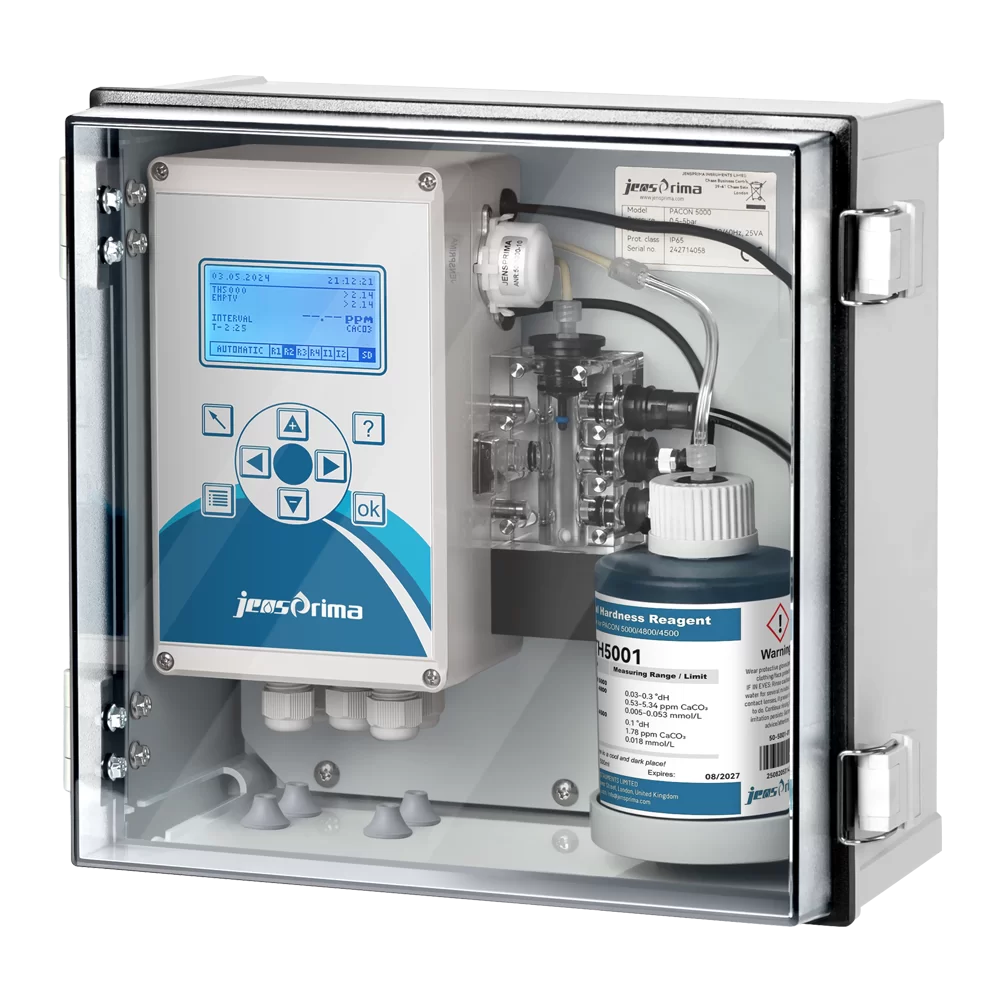
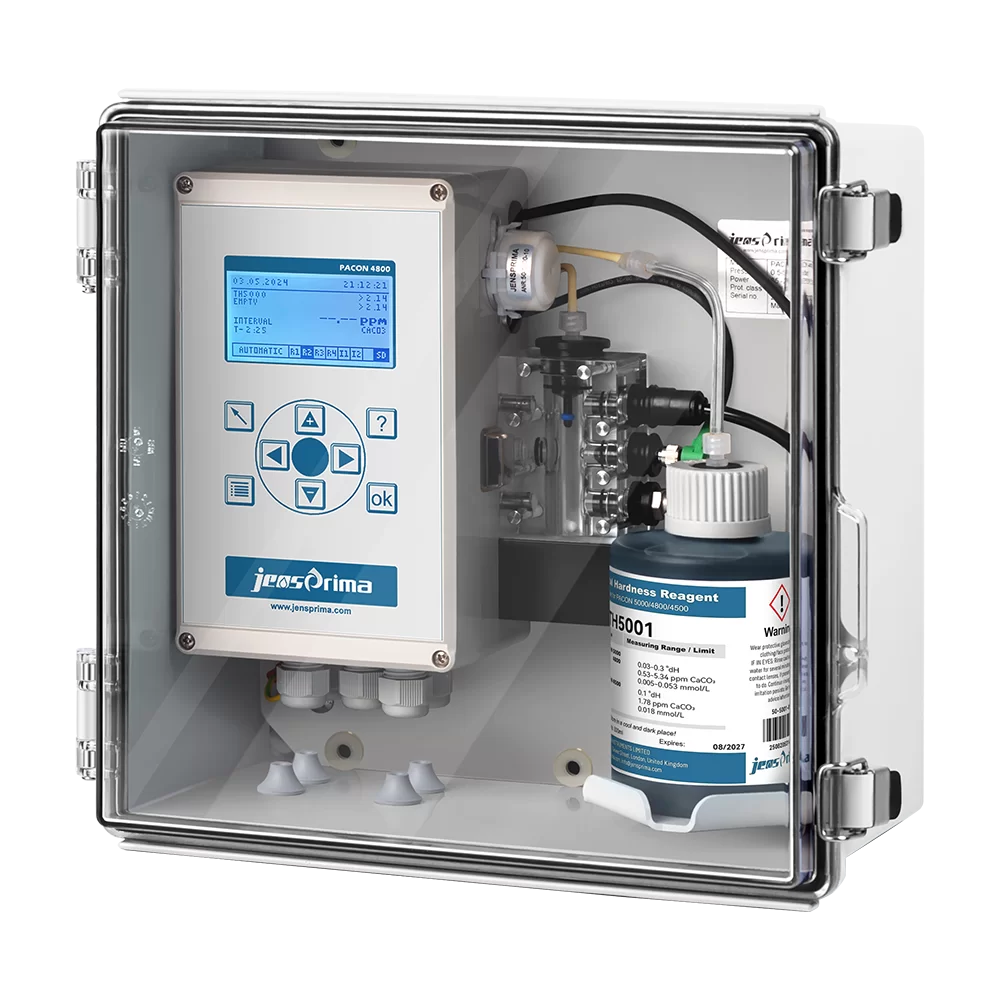
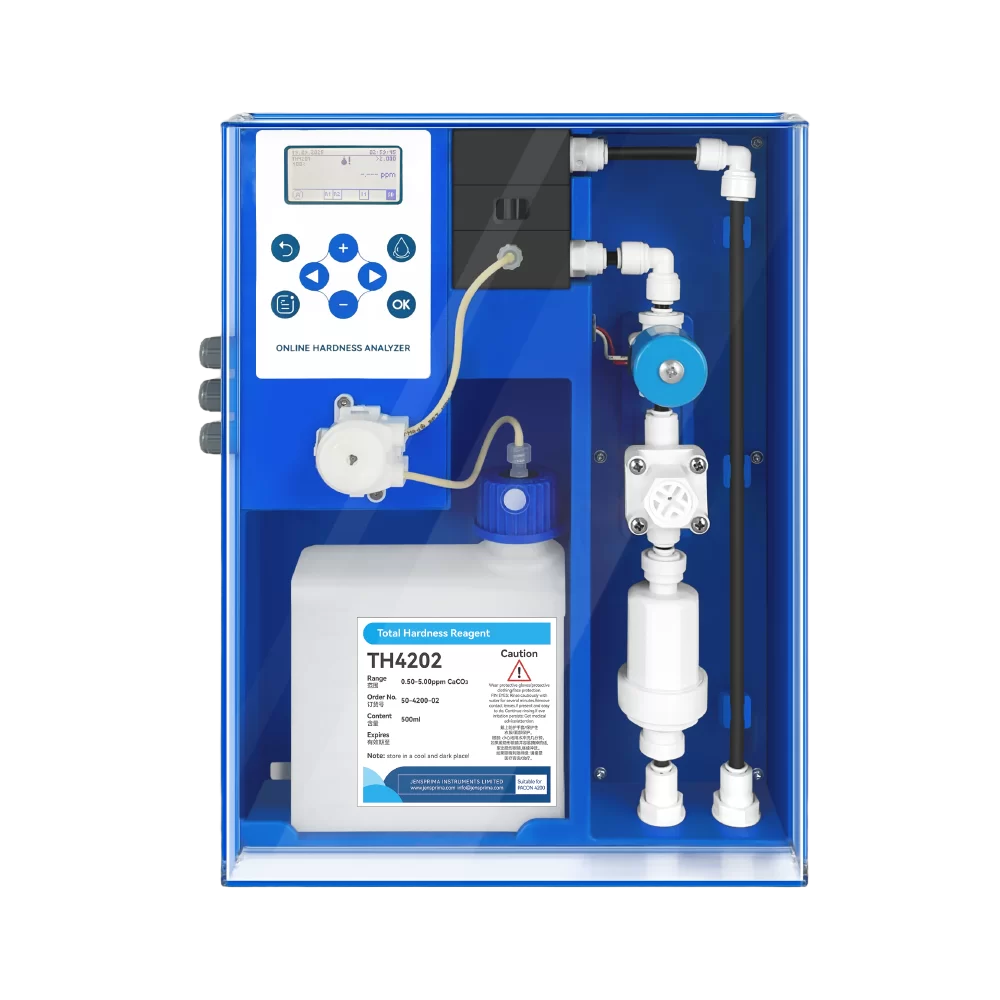
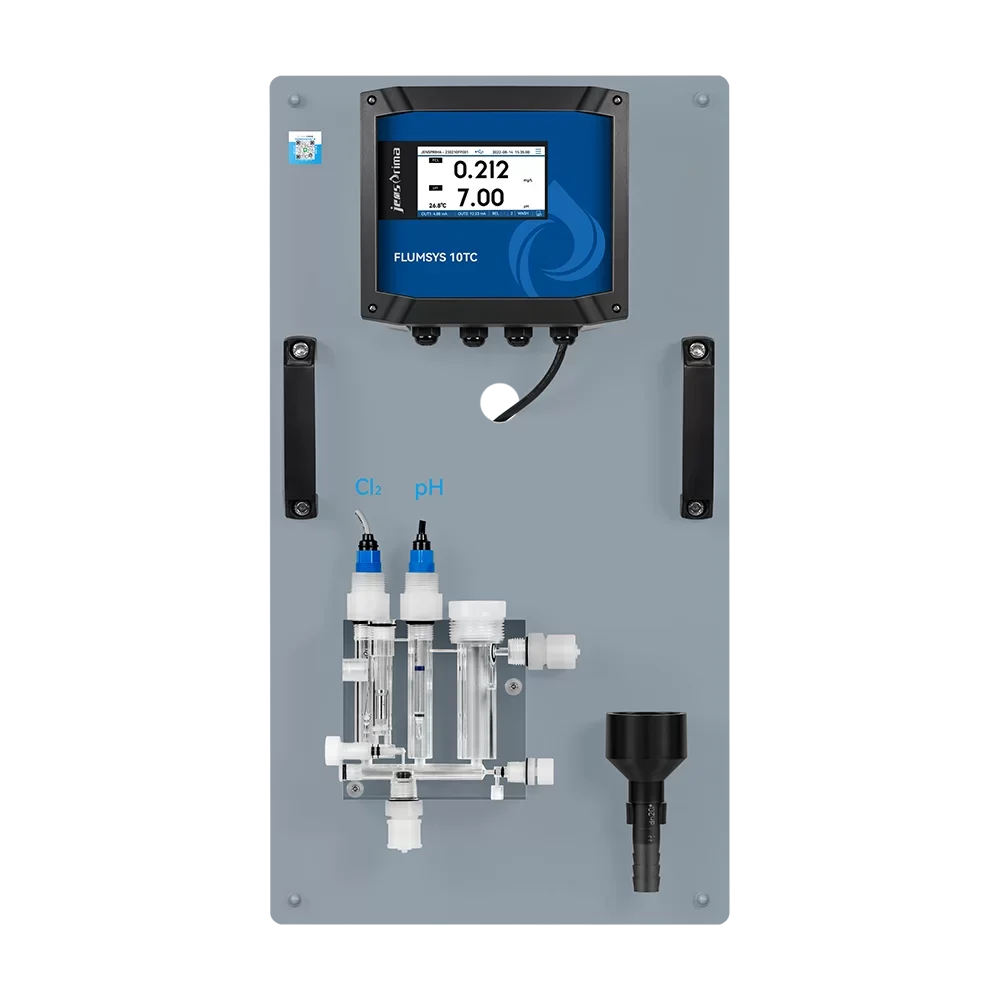
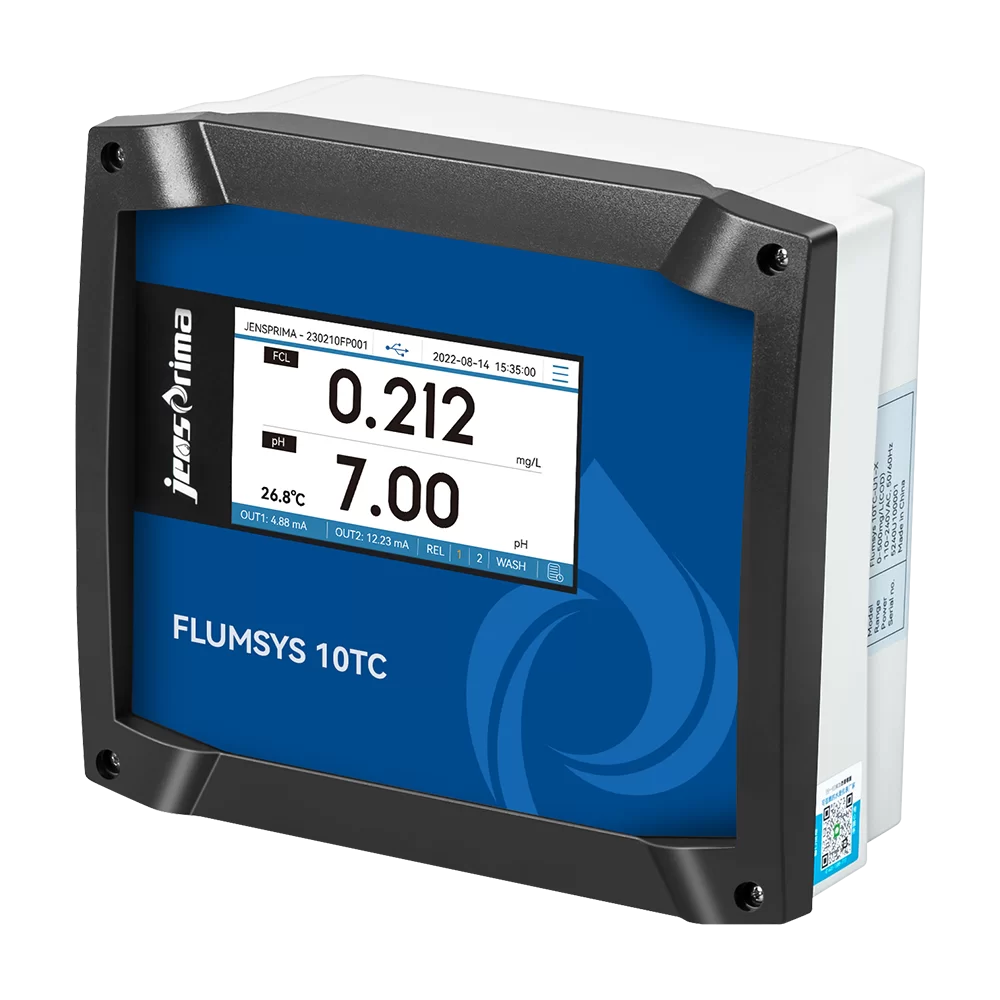
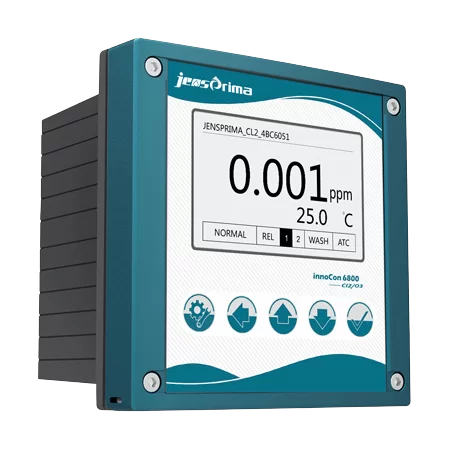
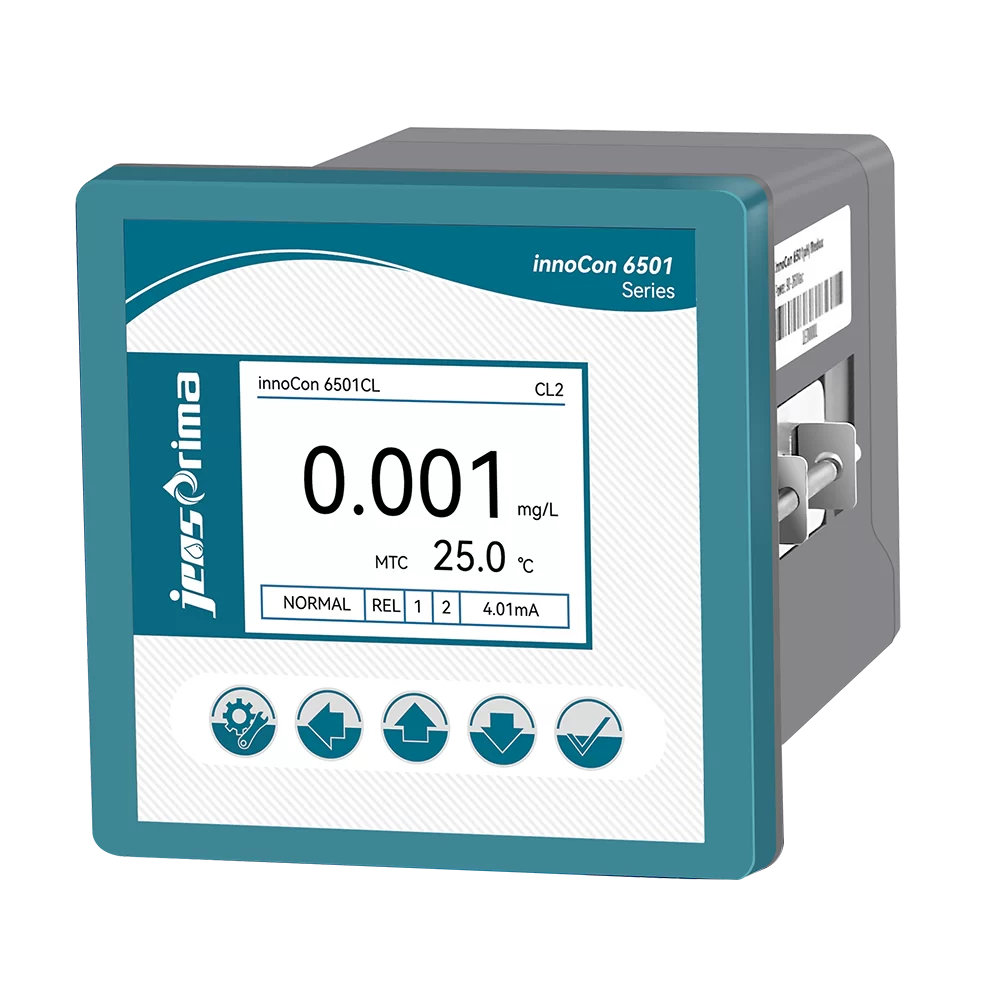
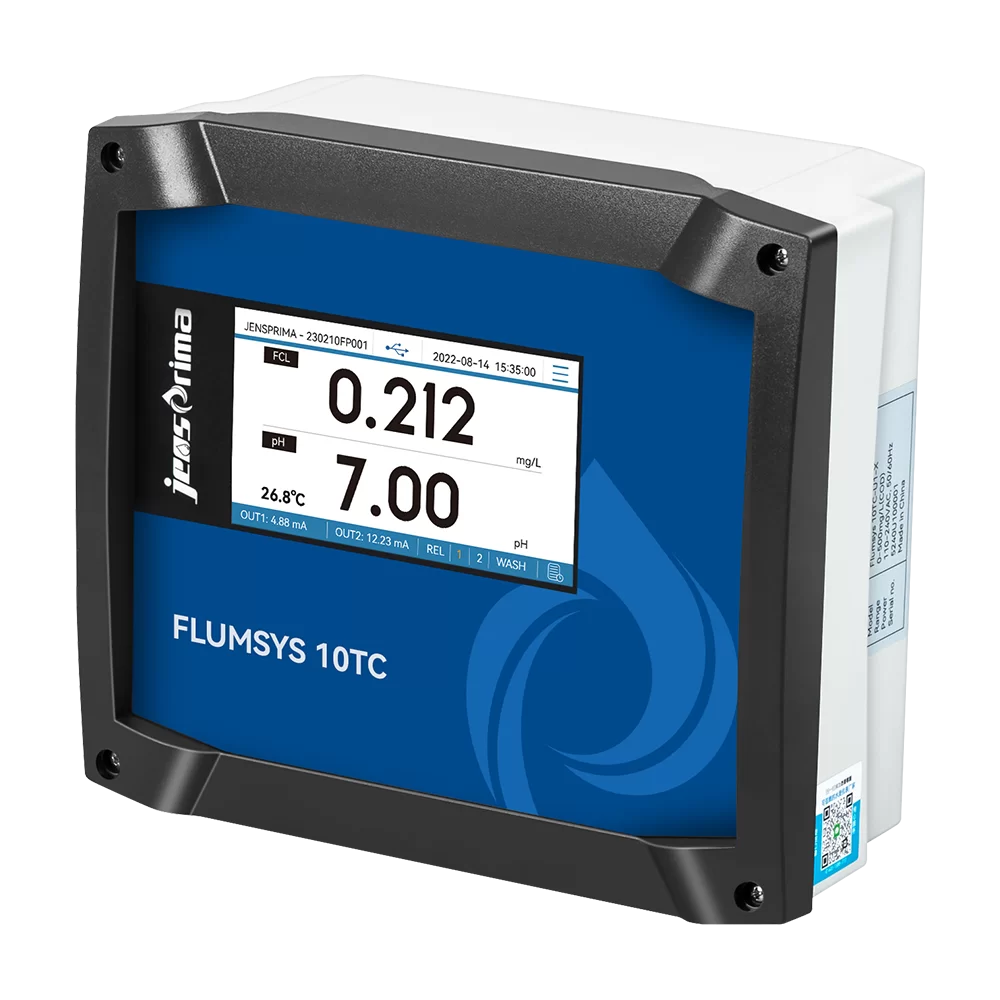
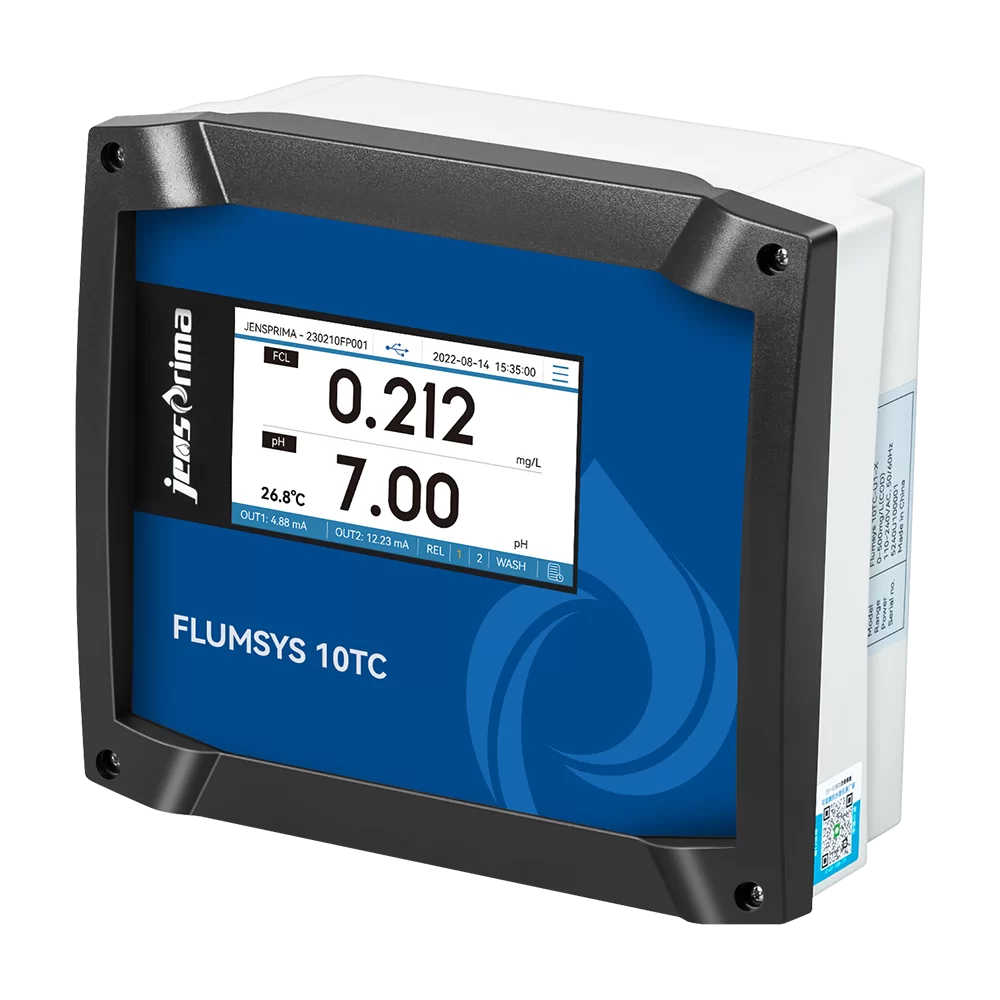
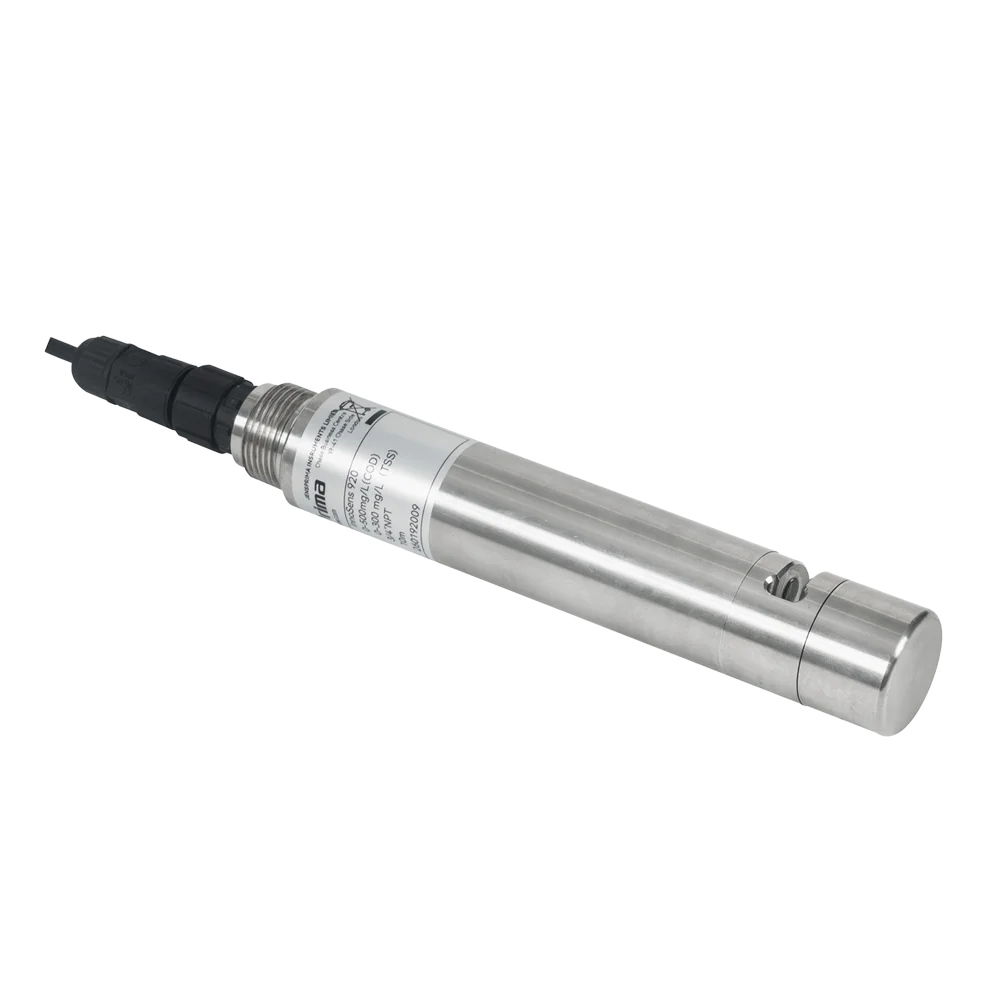
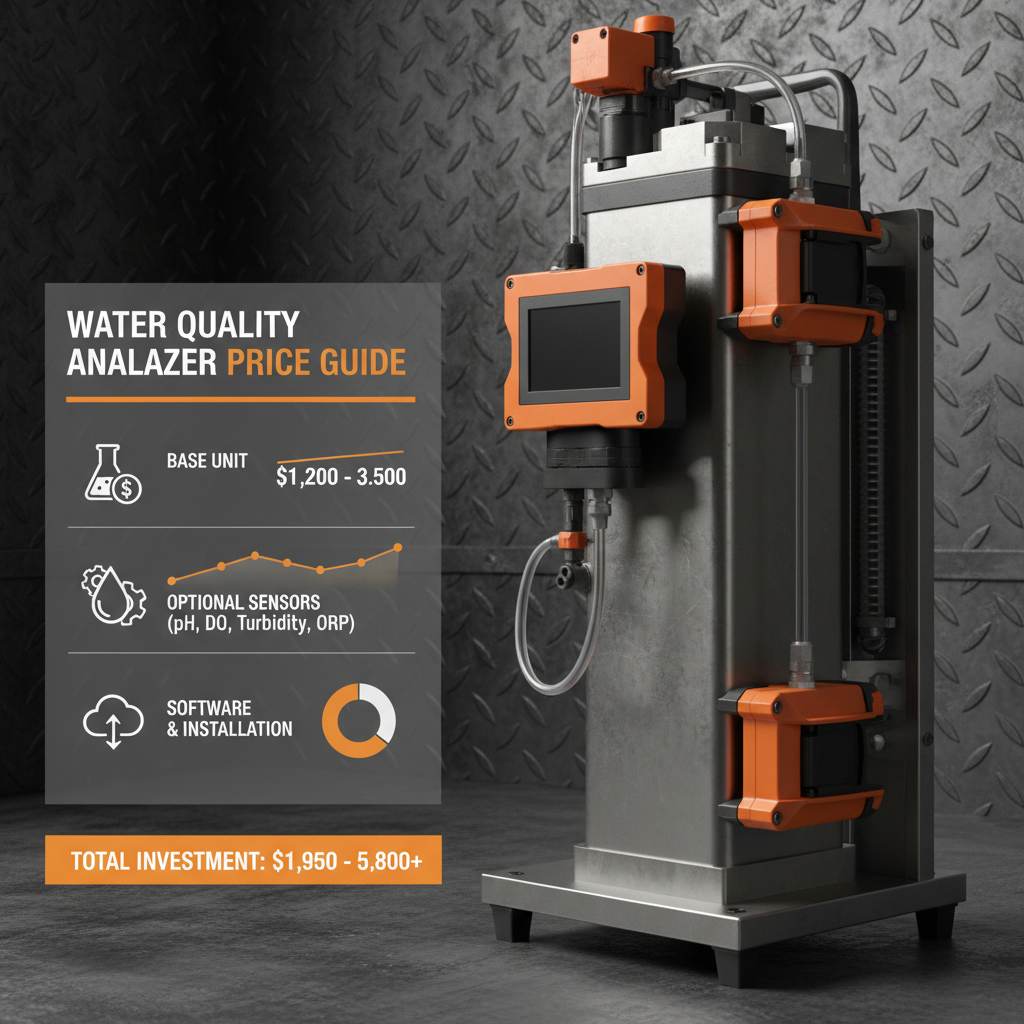
There are several types of water quality analyzers available, each with its own price range. Portable meters typically range from $100 to $1,000, suitable for field testing of basic parameters like pH, conductivity, and dissolved oxygen. Benchtop analyzers, offering more accuracy and a wider range of parameters, can cost between $1,000 and $10,000. Online/process analyzers, used for continuous monitoring in industrial settings, are the most expensive, often ranging from $5,000 to $20,000 or more. Spectrophotometers, used for complex chemical analysis, typically fall within the $2,000 to $15,000 price range. The choice depends on your specific needs and budget. Jensprima offers a diverse range of analyzers to meet various requirements.
Analyzer Type Price Guide:
• Portable Meters: $100 - $1,000
• Benchtop Analyzers: $1,000 - $10,000
• Online/Process Analyzers: $5,000 - $20,000+
• Spectrophotometers: $2,000 - $15,000
Water Quality Analyzer Price Comparison
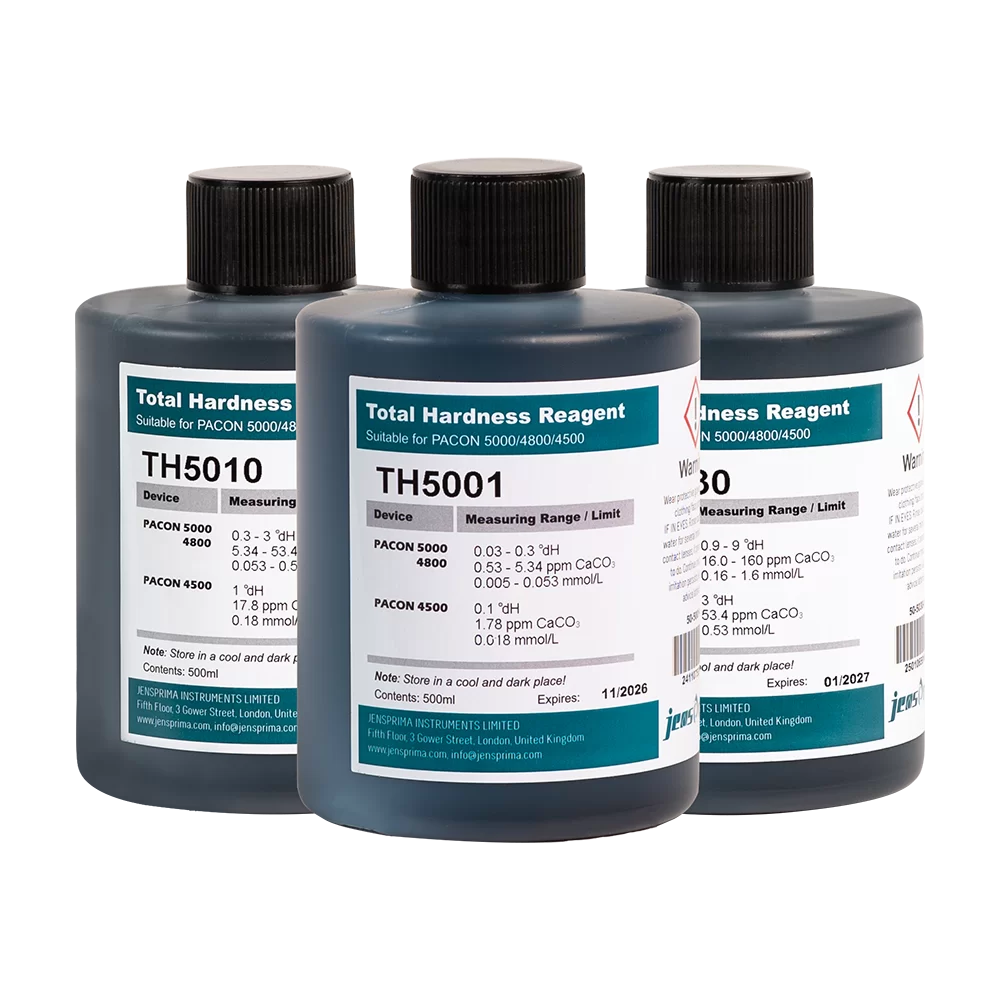
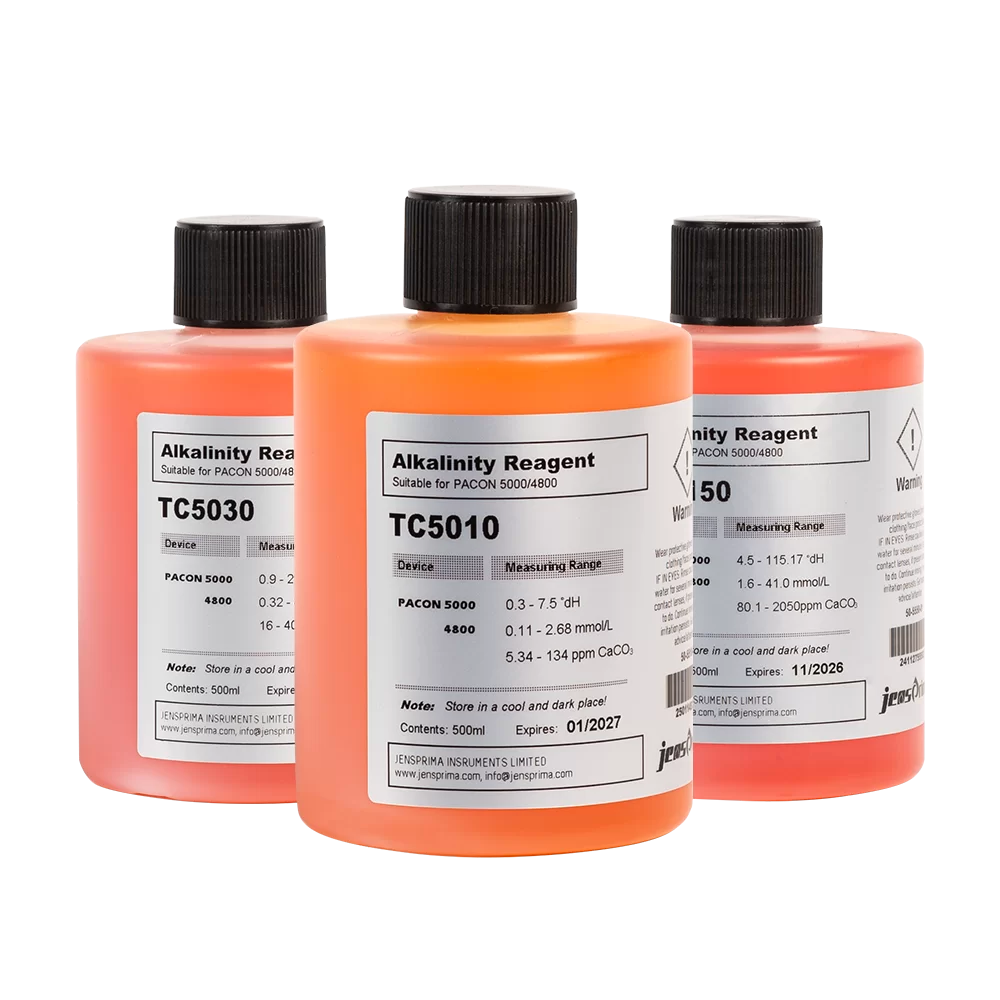
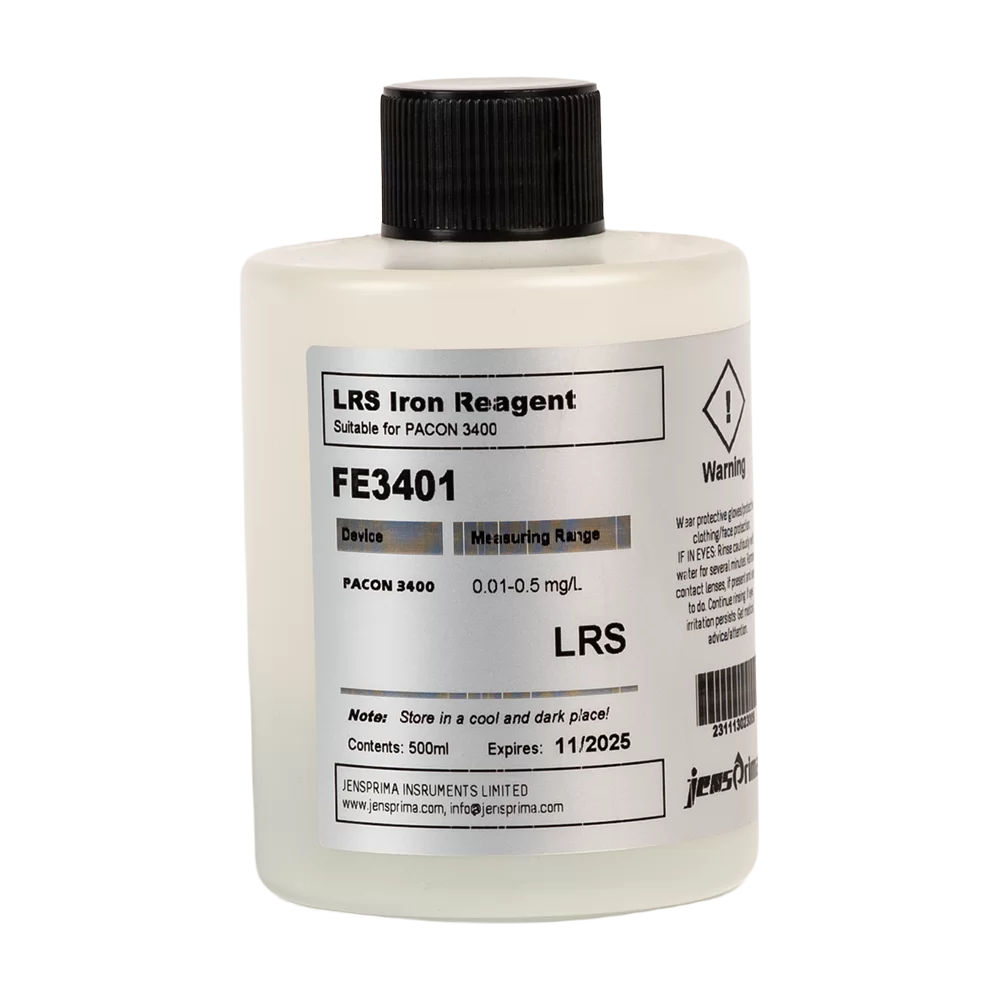
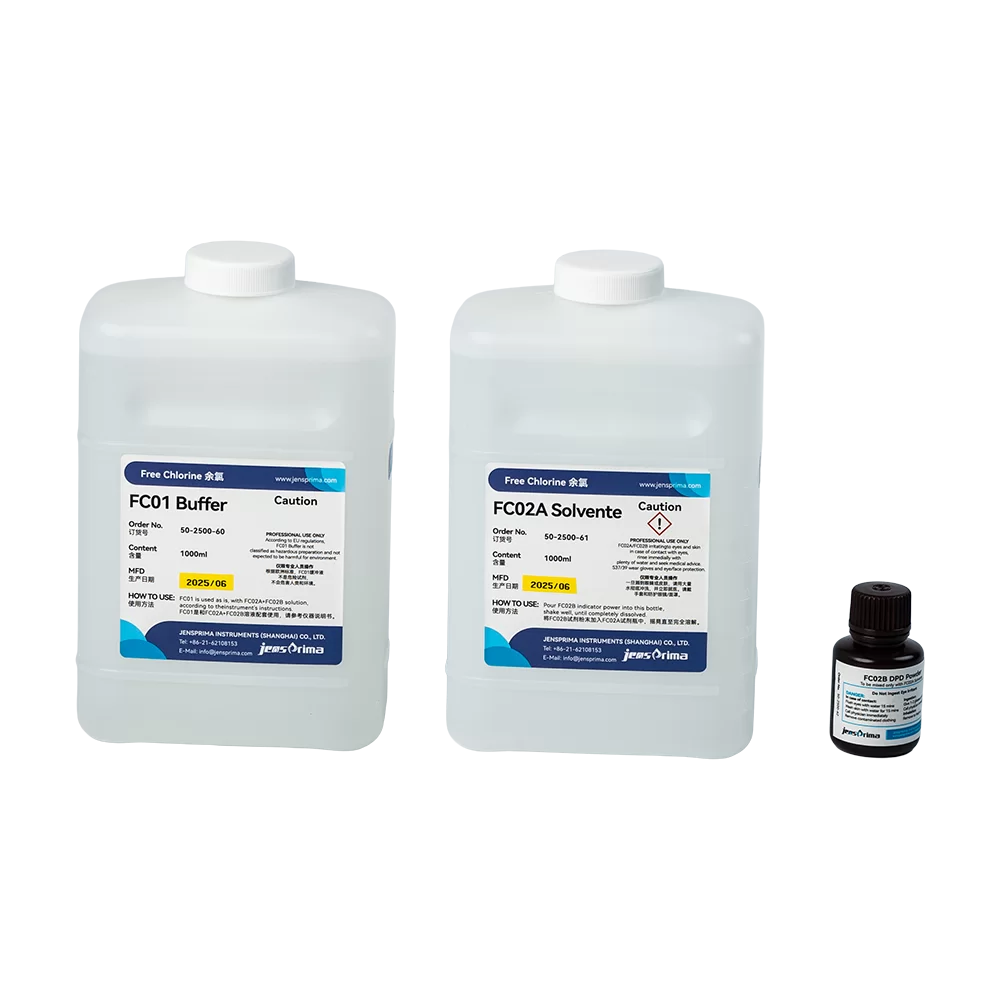
Comparing different brands and models is crucial when evaluating water quality analyzer price. While cheaper options may be tempting, they often lack the accuracy, reliability, and features of higher-end models. Investing in a quality analyzer from a reputable brand like Jensprima can save you money in the long run by reducing the need for frequent repairs or replacements. It's also important to consider the cost of consumables, such as reagents and calibration solutions, when calculating the total cost of ownership.
| Feature |
Jensprima Analyzer (Model X) |
Competitor A |
Competitor B |
| Price |
$4,500 |
$5,000 |
$4,000 |
| Parameters Measured |
12+ |
8 |
10 |
| Accuracy (pH) |
±0.01 |
±0.02 |
±0.03 |
| Data Logging |
Yes, SD Card |
Yes, USB |
No |
Why Choose Jensprima for Your Water Quality Analysis Needs?
Jensprima is committed to providing high-quality, reliable, and cost-effective water quality analyzers. We offer a wide range of models to suit various applications, from basic field testing to complex laboratory analysis. Our analyzers are known for their accuracy, durability, and user-friendly interface. We also provide comprehensive support and service, including calibration, maintenance, and training. Contact us today to discuss your specific needs and find the perfect analyzer for your budget.
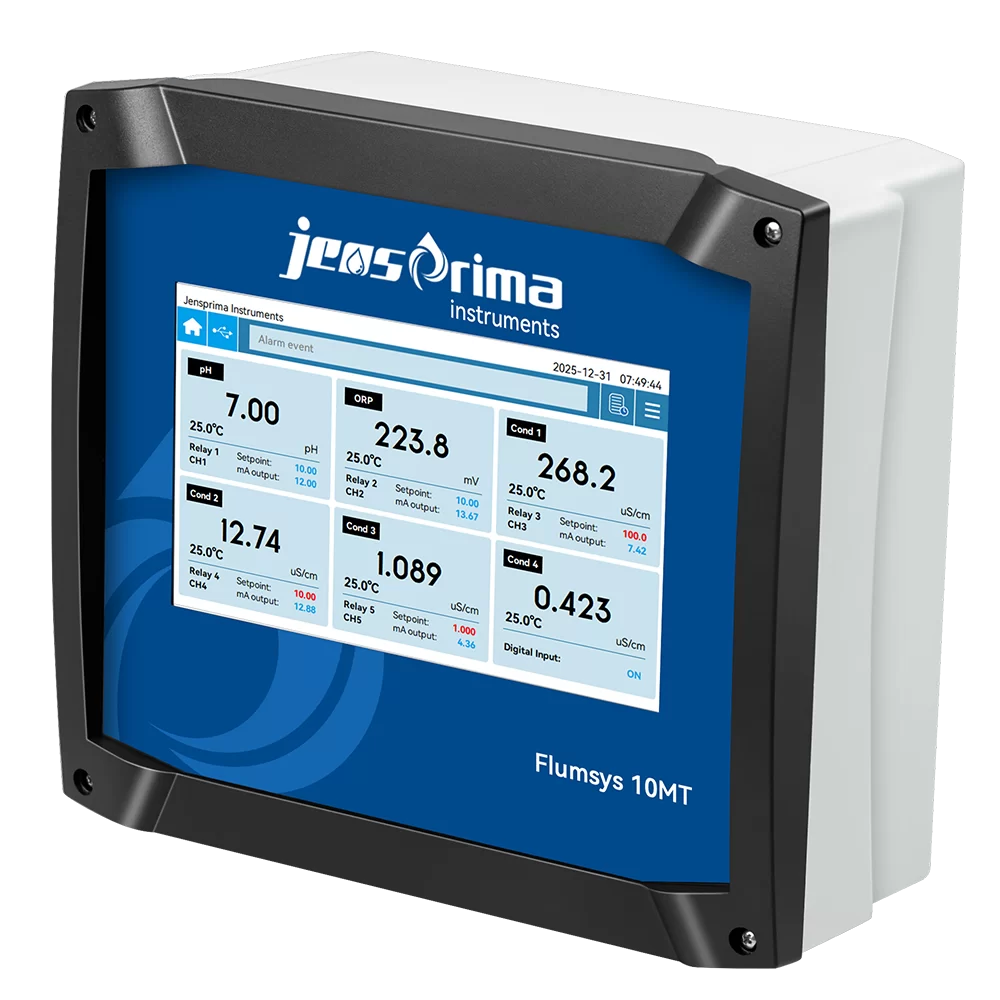
Product Specifications: Jensprima Pro-1000 Analyzer
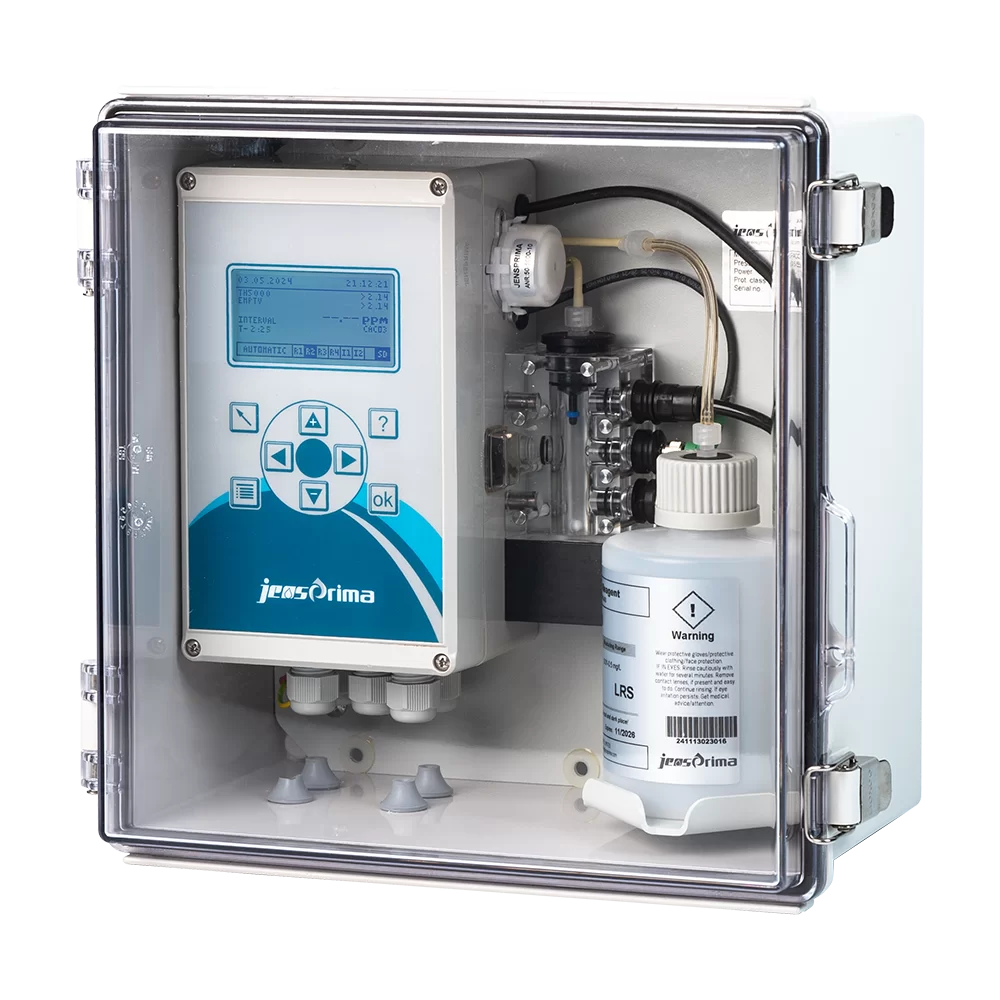
The Jensprima Pro-1000 is our flagship benchtop analyzer, designed for comprehensive water quality testing.
| Specification |
Detail |
| Parameters |
pH, Conductivity, TDS, Salinity, Dissolved Oxygen, Turbidity, ORP |
| Accuracy (pH) |
±0.005 |
| Display |
7-inch LCD Touchscreen |
| Data Storage |
10,000 Readings |
Conclusion: Investing in Reliable Water Quality Analysis
Choosing the right water quality analyzer is a critical investment for ensuring accurate and reliable data. Jensprima offers a comprehensive range of analyzers to meet diverse needs and budgets. By prioritizing quality and accuracy, you can protect your operations, comply with regulations, and safeguard public health. Explore our product line today and discover the perfect solution for your water quality analysis requirements.
Frequently Asked Questions (FAQs)
What factors should I consider when determining my budget for a water quality analyzer?
When budgeting for a water quality analyzer, consider the number of parameters you need to measure, the required accuracy, the frequency of testing, and the level of automation. Portable meters are generally the most affordable option, while benchtop and online analyzers are more expensive. Don't forget to factor in the cost of consumables, such as reagents and calibration standards, as well as maintenance and calibration services. Investing in a higher-quality analyzer upfront can often save you money in the long run by reducing the need for frequent repairs or replacements.
How often should I calibrate my water quality analyzer?
Calibration frequency depends on the type of analyzer, the frequency of use, and the specific parameters being measured. Generally, it's recommended to calibrate analyzers at least once a month, or more frequently if they are used heavily. Regular calibration ensures the accuracy and reliability of your measurements. Follow the manufacturer's recommendations for calibration procedures and use certified calibration standards.
What is the difference between accuracy and precision in water quality analysis?
Accuracy refers to how close a measurement is to the true value, while precision refers to the repeatability of a measurement. A highly accurate analyzer will consistently produce measurements that are close to the actual value, while a precise analyzer will produce consistent measurements even if they are not necessarily accurate. Both accuracy and precision are important for reliable water quality analysis. Calibration helps improve both accuracy and precision.


 Download
 Video Center
 Technical Services
 FAQS
FAQS Service Network
 Privacy Policy
 Contact Us




 LEARN MORE
![[Hardness] Water Hardness Unit Conversion Table](https://images.cnmqh.com/images/a10056/1-20251023015852.webp "[Hardness] Water Hardness Unit Conversion Table")